
Pricing is one of the most powerful levers in any business. Set it too high and you lose customers. Set it too low and you leave money on the table. So how do you find the right number? The answer often lies in business profiling.
Business profiling means gathering and analyzing key information about your company, your customers, and your market. It gives you a clear picture of where you stand. Therefore, you can build a pricing strategy that is both competitive and profitable.
In this article, you will learn how to profile a business step by step and use those insights to price smarter.
What Is Business Profiling?
Business profiling is the process of examining a company from multiple angles. You look at its finances, its customers, its competitors, and the overall market. The goal is to understand the full context in which the business operates.
Think of it as a health checkup. Before a doctor prescribes medicine, they check your vitals. Similarly, before you set prices, you need to understand your business’s vitals.
Additionally, business profiling is not a one-time task. Markets shift. Customers change. Therefore, regular profiling helps you stay relevant and competitive.
Why Business Profiling Matters for Pricing
Many businesses make pricing decisions based on guesswork. They either copy competitors or add a fixed margin to their costs. However, this approach misses key opportunities.
A well-built business profile helps you:
- Understand what your customers are willing to pay
- Know your true cost structure
- Spot gaps in the competitive landscape
- Identify your most profitable customer segments
- Justify premium pricing when your value is clear
Without this foundation, even a clever pricing formula can fail. The profile gives your strategy the context it needs.
Step 1: Analyze Your Cost Structure
The first step in profiling is understanding your costs. You cannot price effectively if you do not know what it costs to deliver your product or service.
Start by separating fixed costs from variable costs. Fixed costs include rent, salaries, and software subscriptions. These stay the same no matter how many units you sell. Variable costs, on the other hand, change with volume. They include raw materials, shipping, and sales commissions.
Once you know your total costs, you can calculate your break-even point. This is the minimum price you need to stay profitable. However, break-even is just the floor, not the target.
Additionally, look at your cost trends. Are your costs rising? If so, your pricing must reflect that over time. Many businesses ignore creeping costs until it is too late.
Step 2: Profile Your Customer Segments
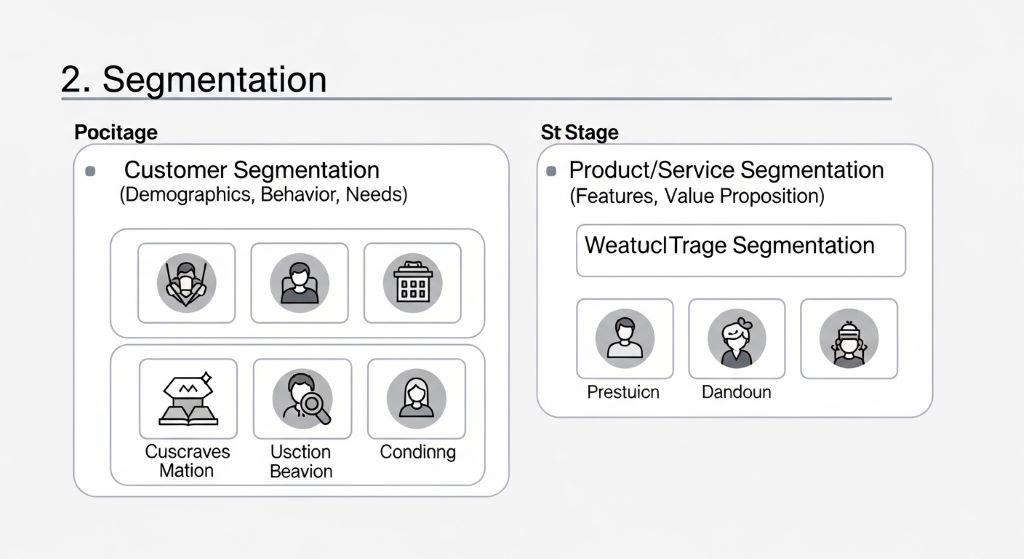
Not all customers are the same. Some are price-sensitive. Others prioritize quality or speed. Therefore, understanding who your customers are is critical to pricing well.
Start by segmenting your existing customer base. Group them by:
- Purchase frequency
- Average order value
- Industry or demographics
- Pain points and priorities
- Sensitivity to price changes
Each segment may need a different pricing approach. For example, budget buyers may respond to volume discounts. Premium buyers may actually distrust prices that seem too low.
Furthermore, talk to your customers directly. Surveys, interviews, and feedback forms reveal what they value most. When you know that, you can tie your price to that value.
Step 3: Study the Competitive Landscape
No business exists in isolation. Your price is always compared, consciously or not, to what competitors charge. Therefore, a thorough competitive analysis is a key part of business profiling.
Map out your main competitors. List their pricing, their positioning, and the features they offer. Then, ask yourself an honest question: how do we compare?
Look for three things in particular:
- Where you are cheaper but offer more value
- Where you are priced similarly but differentiate on service or brand
- Where competitors are charging premium prices and why
This exercise reveals pricing gaps you can exploit. For instance, if everyone in your market charges the same rate, there may be room to charge more if you bundle additional value.
However, do not blindly undercut competitors. A race to the bottom erodes margins for everyone. Instead, use competitive data to position your price intelligently.
Step 4: Assess Your Market Position and Brand Perception
How the market sees your brand directly affects what you can charge. A trusted, well-known brand commands higher prices. A new or unknown brand often has to work harder to justify its rates.
As part of your business profile, assess where your brand stands. Look at online reviews, social media sentiment, and customer retention rates. These signals tell you how much trust you have earned.
Additionally, consider your positioning. Are you a budget option, a mid-market player, or a premium provider? Your price must match your position. If you charge premium prices but deliver average results, customers will feel cheated. On the other hand, if you deliver premium results but charge budget prices, you signal low quality by accident.
Therefore, align your price with your brand story. They must tell the same story.
Step 5: Evaluate Demand Elasticity
Demand elasticity tells you how sensitive your customers are to price changes. If a small price increase causes a large drop in sales, your demand is elastic. If customers barely react, demand is inelastic.
Understanding elasticity helps you know how much pricing power you have. For example, essential products with few alternatives tend to have inelastic demand. Luxury or non-essential items often have elastic demand.
To measure elasticity, test small price changes and watch the results. You can also review your sales data over time, especially around past promotions or price increases.
Furthermore, consider the context. During economic downturns, even loyal customers become more price-sensitive. Your profile should account for these shifts so your strategy remains flexible.
Step 6: Review Your Pricing History and Performance
One of the most overlooked parts of business profiling is looking inward at your own pricing data. What prices have you charged in the past? What worked and what did not?
Review your historical sales data by product, channel, and customer segment. Look for patterns. Which price points drove the most volume? Which generated the highest margin? Were there price changes that hurt retention?
This data is gold. It tells you what your customers have already accepted and where the friction points are. Additionally, it gives you a baseline for setting future prices with more confidence.
Step 7: Build a Value-Based Pricing Framework
Once you have profiled your business from every angle, you are ready to build a pricing framework. The most powerful approach for most businesses is value-based pricing.
Value-based pricing means setting your price based on the perceived value to the customer, not just on your costs. This requires everything you learned in the previous steps.
Start by identifying the core outcome your product or service delivers. Then, calculate the economic value of that outcome to your customer. Your price should capture a fair portion of that value.
For example, if your service saves a client $50,000 per year in labor costs, charging $10,000 for it feels like a bargain. However, if you price it at $500 without explaining the value, clients may still resist.
Therefore, pair your pricing with a strong value narrative. The number and the story must work together.
Conclusion
Profiling a business is the foundation of smart pricing. It removes guesswork and replaces it with data and insight. By analyzing your costs, understanding your customers, studying competitors, assessing your brand, and reviewing your pricing history, you gain the full picture.
With that picture, you can move beyond cost-plus pricing and build a strategy that reflects your true value in the market. You can serve different customer segments at the right price points. You can respond to market shifts with confidence.
Additionally, remember that profiling is ongoing. The best businesses revisit their profiles regularly and adjust their pricing accordingly. Start with the steps outlined here, and you will be well on your way to pricing smarter and growing more profitably.
Frequently Asked Questions
What is business profiling in the context of pricing?
Business profiling is the process of analyzing your costs, customers, competitors, brand position, and market data. The goal is to gather the insights needed to build a pricing strategy that is both competitive and profitable.
How often should a business update its pricing profile?
Ideally, you should review your business profile at least once a year. However, you should also revisit it whenever there is a significant change in the market, your cost structure, or your customer base.
What is the difference between cost-plus pricing and value-based pricing?
Cost-plus pricing adds a fixed margin on top of your costs. Value-based pricing, on the other hand, sets the price based on how much value the product or service delivers to the customer. Value-based pricing typically leads to higher margins.
How do I know which customer segments to target with higher prices?
Look for segments that are less price-sensitive and place a high value on the outcomes you deliver. These are often customers who have a clear business problem your product solves, or who prioritize quality and reliability over cost.
Can small businesses benefit from business profiling for pricing?
Absolutely. In fact, small businesses often have more to gain. A clear pricing strategy helps them compete with larger players, serve the right customers, and avoid underpricing their services due to a lack of confidence or data.
Related Topics:
Exit Strategy Planning for Family-Run Businesses: Securing Your Legacy and Future
Why Do Marketing Strategies Often Change? Key Reasons Explained