
Real estate flipping can be one of the most rewarding paths in property investment. It offers fast returns, hands-on learning, and the chance to build a thriving business over time. However, success does not come overnight. It takes planning, discipline, and a clear strategy. This guide walks you through everything you need to know to flip properties with confidence and grow a sustainable business.
Understanding the Basics of Real Estate Flipping
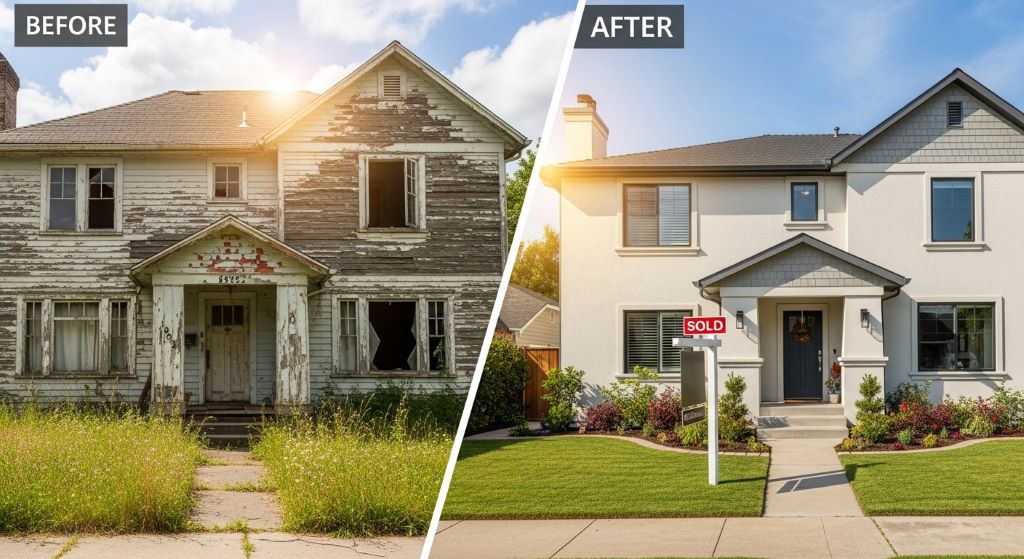
Before you dive in, you need to understand what real estate flipping actually means. In simple terms, it involves buying a property at a low price, improving it, and selling it for a profit. The gap between your purchase cost and your sale price — minus renovation and holding costs — is your profit.
Many beginners assume the process is straightforward. In reality, there are many moving parts. You need to find the right property, secure financing, manage renovations, and time your sale well. Therefore, building a strong foundation of knowledge before your first deal is essential.
Start by studying your local market. Learn which neighborhoods are growing. Understand what buyers in your area are looking for. This research will help you make smarter buying decisions from the very beginning.
Building a Solid Financial Plan
Money management is at the heart of every successful flip. Without a clear financial plan, even a promising deal can turn into a loss. So, before you make any offer, know your numbers inside and out.
The most important formula to learn is the 70% rule. It states that you should pay no more than 70% of a property’s after-repair value (ARV), minus your estimated renovation costs. For example, if a home’s ARV is $200,000 and repairs will cost $30,000, you should not pay more than $110,000.
Additionally, always build a contingency budget. Renovations rarely go exactly as planned. Set aside at least 10 to 15 percent of your repair budget for unexpected costs. This cushion can save your profit margins when surprises arise.
Financing is another key consideration. Some investors use personal savings, while others work with hard money lenders or private investors. Each option has trade-offs. Hard money loans are fast but carry higher interest rates. Therefore, factor in your financing costs when calculating potential profit.
Finding the Right Properties to Flip
Finding good deals consistently is what separates successful flippers from those who struggle. The best properties are often not listed on popular real estate websites. Instead, they come through off-market channels.
Here are some effective ways to find undervalued properties:
- Drive through target neighborhoods and look for distressed homes
- Build relationships with real estate agents who specialize in foreclosures
- Connect with probate attorneys who handle estate sales
- Use direct mail campaigns targeting absentee owners
- Attend local real estate investor meetups to discover wholesale deals
However, finding the property is only the first step. You also need to evaluate it carefully. Always conduct a thorough inspection before buying. Hidden structural issues can destroy your budget and timeline.
Managing Renovations Efficiently
Renovation management is one of the most challenging parts of flipping. Delays cost money. Poor-quality work reduces your sale price. Therefore, building a reliable team is critical to your success.
Start by finding a trustworthy general contractor. Ask for references, review past projects, and get multiple bids. Never simply choose the cheapest option. A contractor who does poor work will cost you more in the long run.
Focus your renovation dollars on the areas that matter most to buyers. Kitchens and bathrooms consistently deliver the highest return on investment. Fresh paint, updated flooring, and good curb appeal also make a significant difference. Avoid over-improving a property beyond what the neighborhood supports, as this limits your profit potential.
Additionally, set a firm timeline with your contractor from the start. Every extra week your property sits under renovation adds to your holding costs — mortgage payments, insurance, utilities, and property taxes. Keeping projects on schedule protects your bottom line.
Pricing and Selling Your Flipped Property
Once renovations are complete, your goal is to sell quickly and at the right price. Overpricing a property leads to it sitting on the market. This hurts your holding costs and can signal to buyers that something is wrong.
Work with a skilled real estate agent who knows your local market well. They can help you price the property competitively based on recent comparable sales. Professional photography and staging also play a huge role in attracting buyers fast.
Time your listing strategically. Spring and early summer are traditionally the strongest seasons for home sales in most markets. However, local market conditions can override general trends, so always rely on current data.
Scaling Your Real Estate Flipping Business
Once you have completed a few successful flips, you may want to scale up. Growing from a one-person operation into a full business requires systems, team building, and smart reinvestment of profits.
Start by documenting every process. Create checklists for property evaluation, renovation management, and the sales process. These systems allow you to bring in team members and maintain quality as you grow.
Reinvesting your profits is also key. Many successful flippers use early profits to fund future deals rather than pulling all the money out. This compounding approach accelerates growth significantly.
Furthermore, consider diversifying your strategy over time. Some flippers also take on rentals or wholesale deals alongside their flip projects. This creates multiple income streams and reduces your reliance on any single type of deal.
Avoiding Common Mistakes in Real Estate Flipping
Even experienced investors make mistakes. However, learning from common pitfalls can save you significant time and money.
The biggest mistake beginners make is underestimating costs. Always use conservative estimates when calculating potential profit. If the numbers only work with everything going perfectly, walk away from the deal.
Another common error is letting emotions drive decisions. Falling in love with a property clouds your judgment. Treat every flip as a business transaction. If the numbers make sense, proceed. If they do not, move on without hesitation.
Finally, neglecting the legal and tax side of the business is a costly oversight. Work with an accountant who understands real estate investment. Proper tax planning can dramatically improve your net returns over time.
Conclusion
Real estate flipping offers a powerful path to building long-term business success. However, it requires careful planning, disciplined financial management, and continuous learning. Start by understanding your market and mastering the numbers. Build a reliable team, manage renovations efficiently, and always price your properties to sell. As you gain experience, invest in systems that allow you to scale. By avoiding common mistakes and staying focused on the fundamentals, you can turn real estate flipping into a sustainable and highly profitable business.
Frequently Asked Questions
How much money do I need to start flipping houses?
Most flippers need at least $20,000 to $30,000 for a down payment and renovation costs on a modest property. However, some investors use hard money loans or partner with others to reduce the upfront capital required.
How long does it typically take to flip a house?
The average flip takes three to six months from purchase to sale. This includes the renovation period and time on the market. However, complex renovations or slow markets can extend this timeline.
Is real estate flipping a good business for beginners?
It can be, as long as beginners take the time to learn before acting. Starting with smaller, lower-risk properties and working alongside a mentor can reduce mistakes significantly.
What is the biggest risk in real estate flipping?
The biggest risks are underestimating renovation costs and buying in a declining market. Thorough due diligence and conservative financial planning help manage these risks effectively.
Do I need a real estate license to flip houses?
No, a license is not required to flip properties. However, getting licensed can give you access to the MLS, save on commissions, and provide a deeper understanding of the market.
Related Topics:
Best real estate business ideas for them who want to make it profitable
What Is a Binder in Real Estate? Key Facts You Need to Know