One missing appliance can quietly cost a small business hundreds of productive work hours every year. An employee walking three blocks to buy a cold drink, waiting in line for lunch, or leaving the office for coffee may seem insignificant. Yet across an entire team, those minutes add up quickly. That’s why investing in the right office kitchen appliances is no longer a luxury—it is a practical business decision that improves employee satisfaction, convenience, productivity, and workplace culture.
Modern workplaces rely on functional breakrooms equipped with essential appliances to support employees’ daily needs. From an office refrigerator to coffee makers and microwaves, the right setup creates a comfortable environment where employees can recharge without leaving the workplace.
Why Are Office Kitchen Appliances Important for Small Businesses?
Office kitchen appliances improve employee convenience, reduce downtime, support workplace wellness, and help create a more productive work environment.
Small businesses often operate with lean teams and limited resources. Every productivity gain matters. A properly equipped breakroom gives employees easy access to meals, beverages, and refreshments without disrupting their workflow.
Research from workplace wellness studies consistently shows that employee satisfaction is strongly connected to workplace amenities. Comfortable breakroom spaces encourage short restorative breaks that can improve concentration and reduce fatigue throughout the day.
Companies that invest in workplace comfort often gain advantages in recruitment and retention as well. In competitive hiring environments, even small workplace benefits can influence employee perceptions. Businesses focused on creating a positive work culture often prioritize practical workplace improvements alongside career development opportunities, similar to strategies discussed in building a stronger position in competitive job markets.
Key benefits include:
- Reduced employee downtime
- Improved workplace morale
- Better employee wellness support
- Enhanced company culture
- Lower daily food and beverage expenses
- Increased workplace convenience

What Is the Most Important Appliance for Any Office Kitchen?
An office refrigerator is the single most important kitchen appliance because it supports food storage, employee convenience, and daily workplace operations.
The office refrigerator serves as the foundation of every breakroom. Employees depend on it to store lunches, beverages, dairy products, meal-prep containers, and healthy snacks.
Without proper refrigeration, employees may need to purchase food daily or leave the office during breaks, increasing costs and reducing productivity.
Businesses choosing a refrigerator should consider:
- Office size
- Number of employees
- Energy efficiency ratings
- Storage capacity
- Noise levels
- Maintenance requirements
For businesses evaluating suitable models, this guide to the best small office refrigerator options provides useful insights into selecting the right size and configuration for modern workplaces.
What Size Office Refrigerator Is Best?
Most small businesses benefit from refrigerators between 4 and 10 cubic feet depending on team size.
| Team Size | Recommended Capacity | Best Use Case |
|---|---|---|
| 1–5 Employees | 4–5 Cubic Feet | Compact offices |
| 6–15 Employees | 6–8 Cubic Feet | Shared breakrooms |
| 16–30 Employees | 8–10 Cubic Feet | Growing businesses |
| 30+ Employees | Full-Size Refrigerator | Larger offices |
Why Should Every Office Have a Microwave?
A microwave allows employees to heat meals quickly, reducing the need to leave the office during lunch breaks.
Microwaves remain one of the most-used pieces of breakroom equipment. Employees can reheat homemade meals, warm beverages, and prepare quick snacks in minutes.
Benefits include:
- Faster lunch breaks
- Reduced food spending
- Support for healthy eating habits
- Improved employee convenience
- Less time spent outside the office
Commercial-grade microwaves may be appropriate for businesses with larger teams due to increased durability and faster cooking performance.
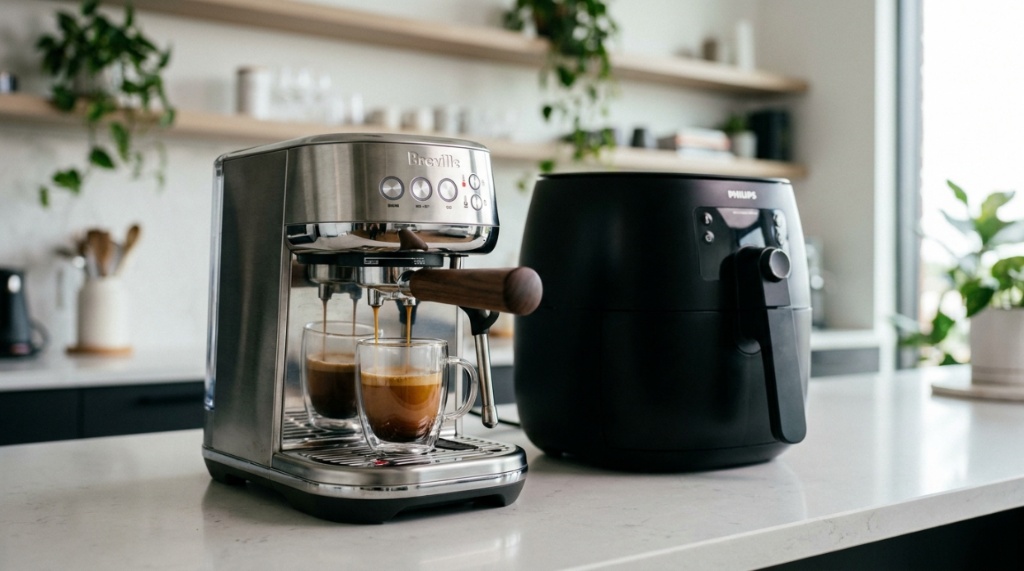
Do Small Businesses Need a Coffee Maker?
Yes. A coffee maker is one of the highest-value workplace essentials because it supports productivity and employee satisfaction.
Coffee remains one of the most consumed workplace beverages worldwide. Many employees begin their workday with coffee and continue consuming it throughout the day.
Providing coffee onsite offers several advantages:
- Reduces trips to coffee shops
- Saves employee time
- Encourages collaboration
- Creates informal networking opportunities
- Improves workplace morale
Popular options include:
- Single-serve coffee machines
- Drip coffee makers
- Bean-to-cup machines
- Commercial coffee brewers
The right choice depends on employee preferences and daily consumption volume.
Which Additional Breakroom Equipment Improves Workplace Efficiency?
Beyond the basics, several appliances can significantly enhance employee convenience and breakroom functionality.
Many growing businesses expand their kitchen setup as team needs evolve. Strategic additions can improve daily operations while creating a more welcoming environment.
Office managers often evaluate recurring supply needs alongside appliance upgrades. For example, maintaining adequate administrative resources through reliable office supply procurement solutions complements an efficient workplace infrastructure.
Water Dispenser
Hydration supports employee health, focus, and overall workplace performance.
Filtered water dispensers encourage healthier beverage choices while reducing reliance on bottled water.
Electric Kettle
Electric kettles provide fast access to hot water for tea, coffee, oatmeal, and instant meals.
They are inexpensive, energy-efficient, and easy to maintain.
Toaster Oven
A toaster oven expands meal preparation options beyond microwave heating.
Employees can warm sandwiches, pastries, and snacks more effectively than with traditional microwaves.
Dishwasher
Small office dishwashers reduce cleaning responsibilities and maintain hygiene standards.
This appliance becomes particularly valuable as employee counts increase.
What Workplace Essentials Should Be Included in Every Breakroom?
A complete breakroom combines appliances, storage solutions, and employee convenience features.
Essential workplace essentials include:
- Office refrigerator
- Microwave oven
- Coffee machine
- Water dispenser
- Electric kettle
- Storage cabinets
- Dining table
- Comfortable seating
- Trash and recycling bins
- Paper towel dispensers
- Cleaning supplies
Together, these items create a practical environment where employees can comfortably take breaks and recharge.
How Do Kitchen Appliances Support Employee Wellness?
Office kitchen appliances encourage healthier eating habits and reduce workplace stress.
Employee wellness is increasingly recognized as a driver of business performance. Convenient access to food storage and meal preparation tools enables workers to bring healthier meals from home.
Examples include:
- Fresh fruit storage in refrigerators
- Healthy meal preparation
- Reduced fast-food consumption
- Better hydration habits
- More balanced daily nutrition
When employees have access to healthy options, organizations often experience lower absenteeism and improved workplace engagement.
How Can Small Businesses Choose the Right Breakroom Equipment?
The best breakroom equipment matches employee needs, available space, and operational budget.
Before purchasing appliances, business owners should evaluate:
- Employee count
- Available kitchen space
- Electrical capacity
- Expected usage frequency
- Maintenance requirements
- Energy efficiency
- Budget limitations
Businesses should prioritize core appliances first before adding specialty equipment.
Suggested Priority Order
- Office refrigerator
- Microwave
- Coffee maker
- Water dispenser
- Electric kettle
- Toaster oven
- Dishwasher
This approach ensures maximum value while controlling costs.
Are Energy-Efficient Appliances Worth the Investment?
Yes. Energy-efficient appliances reduce utility costs and support sustainability goals.
Modern ENERGY STAR-certified appliances consume significantly less electricity compared to older models. While initial purchase prices may be slightly higher, long-term savings often offset upfront costs.
Benefits include:
- Lower energy bills
- Reduced environmental impact
- Improved operational efficiency
- Longer appliance lifespan
- Potential utility rebates
For small businesses operating on tight margins, energy savings can accumulate substantially over several years.
What Mistakes Should Businesses Avoid When Building an Office Kitchen?
The most common mistake is underestimating future employee needs.
Many businesses purchase appliances based solely on current headcount, only to outgrow them quickly.
Other mistakes include:
- Buying residential appliances for heavy usage
- Ignoring energy efficiency ratings
- Choosing insufficient refrigerator capacity
- Overlooking cleaning and maintenance needs
- Providing inadequate seating space
- Neglecting employee preferences
Planning for moderate growth helps maximize appliance lifespan and return on investment.
Conclusion: Which Office Kitchen Appliances Deliver the Best Value?
The highest-value office kitchen appliances for small businesses are an office refrigerator, microwave, coffee maker, and water dispenser.
These workplace essentials directly support employee convenience, productivity, and satisfaction while helping businesses create a healthier and more efficient environment. As teams grow, additional breakroom equipment such as electric kettles, toaster ovens, and dishwashers can further enhance the employee experience.
Organizations that invest in practical workplace improvements often see benefits beyond convenience, including stronger morale, improved retention, and a more professional company culture. Evaluating modern workplace infrastructure alongside broader business operations and employee attraction strategies can help businesses build an environment where people perform at their best.
If your company is reviewing workplace upgrades this year, start with the essentials. A well-equipped breakroom is one of the simplest investments that delivers measurable value every day.
Frequently Asked Questions
What is the most important appliance in an office kitchen?
An office refrigerator is typically the most important appliance because it enables food storage, supports employee convenience, and serves daily workplace needs.
How many appliances should a small office breakroom have?
Most small offices should have at least four core appliances: a refrigerator, microwave, coffee maker, and water dispenser.
Additional appliances can be added based on team size and employee preferences.
What size refrigerator is suitable for a small office?
A refrigerator between 4 and 8 cubic feet is generally suitable for offices with up to 15 employees.
Larger teams may require full-size models with greater storage capacity.
Are coffee machines necessary in the workplace?
Yes. Coffee machines improve convenience, reduce employee trips outside the office, and contribute to workplace satisfaction.
Many businesses consider them one of the most appreciated breakroom amenities.
Should businesses buy commercial or residential appliances?
Commercial appliances are recommended when usage is frequent and employee counts are high.
Residential appliances may be sufficient for smaller teams with lighter daily usage.
How do breakroom appliances improve productivity?
Breakroom appliances reduce time spent leaving the workplace for meals, snacks, and beverages.
This convenience minimizes disruptions and helps employees return to work more quickly.
Are energy-efficient appliances worth the extra cost?
Yes. Energy-efficient appliances typically reduce long-term operating costs through lower electricity consumption.
They also support sustainability initiatives and often require less maintenance over time.