
Paper waste makes up a significant portion of household trash, and composting offers an eco-friendly solution. According to Mech Office, a leading resource for office solutions, many people struggle with paper materials forming dense, impenetrable layers in their compost bins. Understanding how to prevent this common problem will help you create healthier compost while reducing landfill waste.
When you add paper to your compost pile, it can quickly become a soggy, compressed mess. This matting effect blocks airflow and prevents beneficial microorganisms from breaking down organic matter efficiently. The result is a smelly, anaerobic compost pile that takes months or even years to decompose properly.
Fortunately, preventing paper matting is straightforward once you understand the science behind composting. Success with composting shredded office paper requires proper preparation, layering techniques, and ongoing maintenance. Whether you are dealing with newspaper, cardboard, or shredded documents, these strategies will ensure your paper materials break down effectively without creating problematic clumps.
Understanding Why Paper Mats in Compost
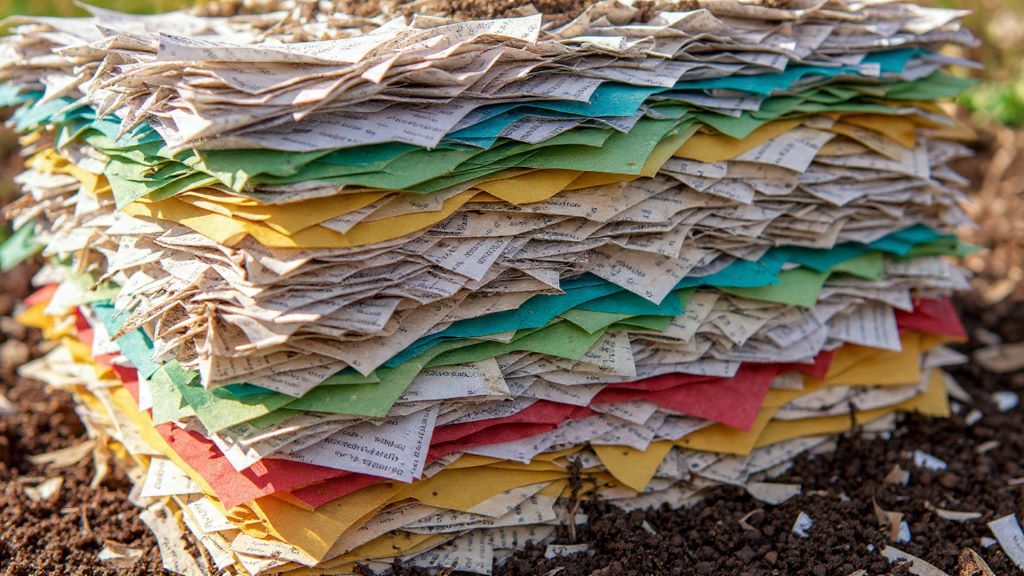
Paper consists primarily of cellulose fibers that naturally want to stick together when wet. In nature, these fibers would separate slowly over time. However, in a compost pile, sheets of paper can form waterlogged barriers that exclude oxygen.
Additionally, the flat structure of paper creates large surface areas that bond tightly when compressed. Think about how difficult it becomes to separate wet newspaper pages. This same principle applies in your compost bin, where the weight of materials above presses layers together.
The problem intensifies when paper becomes the dominant ingredient. Without sufficient dry, bulky materials to create air pockets, paper transforms into a dense mat that repels water and prevents decomposition. Therefore, understanding these tendencies helps you take preventive action from the start.
Shred Paper Before Adding to Compost
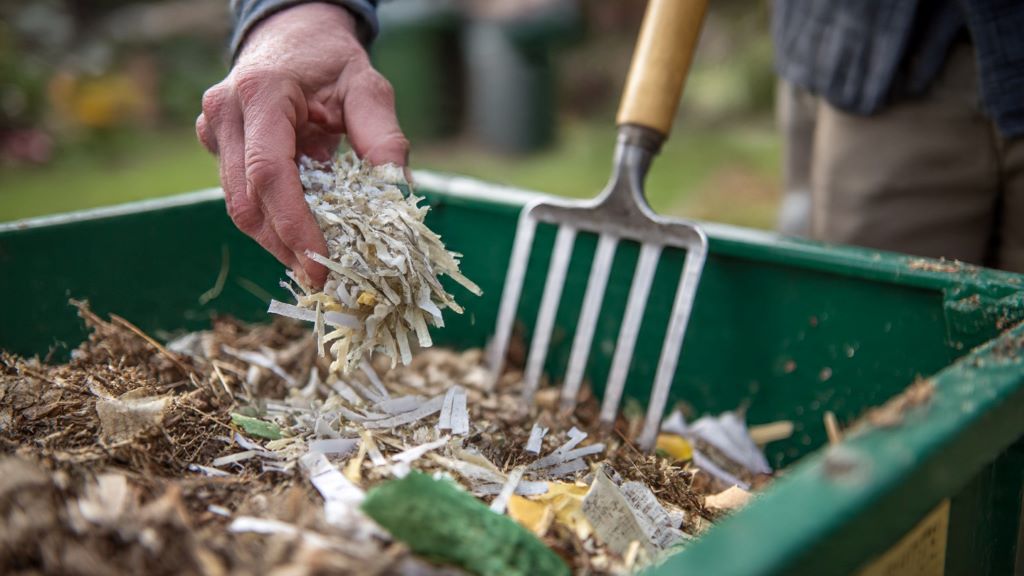
The single most effective strategy for preventing paper matting involves shredding materials into small pieces. Large sheets or whole pages will inevitably clump together. Conversely, smaller pieces create more surface area for microorganisms to colonize while maintaining spaces for air circulation.
Aim for strips no wider than half an inch. Cross-cut shredding works even better because it creates confetti-sized pieces that mix thoroughly with other compost ingredients. Furthermore, shredded paper dries faster if the pile becomes too wet, giving you more control over moisture levels.
Newspaper and office paper shred easily with standard equipment. Cardboard requires more effort but should be torn into pieces no larger than your palm. This extra preparation time pays dividends by eliminating matting problems down the line.
Layer Paper with Green Materials
Successful composting requires balancing carbon-rich browns with nitrogen-rich greens. Paper falls into the brown category, meaning it needs to be paired with fresh organic matter like kitchen scraps, grass clippings, or coffee grounds.
Never add paper in thick layers. Instead, sprinkle thin layers of shredded paper between green materials. This creates a lasagna-like structure that promotes proper decomposition. The green materials provide moisture and nitrogen that activate microbial activity, while the paper absorbs excess liquid and adds carbon.
A good rule of thumb involves using no more than one inch of paper for every three inches of green waste. This ratio prevents paper from dominating any section of your pile. Moreover, frequent layering ensures materials mix naturally as the pile settles and decomposes.
Mix Your Compost Pile Regularly
Static compost piles inevitably develop problem areas where materials compact and mat together. Regular turning introduces oxygen throughout the pile and breaks up any formations before they become problematic.
Turn your pile every one to two weeks during active composting. Use a pitchfork or compost aerator to move materials from the outside toward the center. This process redistributes moisture, exposes new surfaces to decomposers, and prevents paper from settling into dense layers.
During turning, pay attention to any clumps forming. Break these apart immediately by hand or with your tool. Additionally, this hands-on approach lets you assess moisture levels and make adjustments before problems develop.
Control Moisture Levels Carefully
Paper acts like a sponge in compost, absorbing water rapidly and holding it tenaciously. While some moisture is essential for decomposition, too much causes paper fibers to bond into an impermeable mass.
Your compost should feel like a wrung-out sponge when squeezed. If water drips out freely, the pile is too wet. Conversely, if it feels dry and dusty, you need to add moisture. Paper-heavy sections often indicate moisture imbalances that require immediate attention.
When your pile becomes too wet, add dry materials like leaves, straw, or sawdust to absorb excess liquid. These bulky additions also create air spaces that prevent matting. However, if your pile is too dry, water it lightly while turning to distribute moisture evenly throughout all materials.
Add Bulking Agents to Improve Structure
Bulking agents create physical structure within your compost pile. These materials resist compaction and maintain air channels even when surrounded by wet paper and food scraps.
Twigs, small branches, and wood chips work excellently as bulking agents. Straw and dry leaves also provide structure while contributing carbon to your mix. According to the Environmental Protection Agency, maintaining proper pile structure significantly accelerates decomposition while preventing common problems like matting and odors.
Incorporate bulking agents throughout your pile rather than just at the bottom. This distributes their benefits and creates a more uniform composting environment. Furthermore, these materials break down slowly, providing long-term structural support as softer materials decompose.
Avoid Glossy and Coated Papers
Not all paper products belong in compost bins. Glossy magazines, coated cardboard, and paper with plastic lamination resist decomposition and may introduce unwanted chemicals into your finished compost.
Stick with plain paper products like newspaper, office paper, cardboard boxes, paper bags, and non-coated paper plates. These materials break down reliably and contribute valuable carbon to your compost. Meanwhile, glossy or treated papers should go to recycling facilities equipped to handle them properly.
When in doubt, perform a simple test by tearing the paper. Materials that tear easily along any direction typically compost well. Conversely, papers that resist tearing or have a plastic feel often contain coatings that prevent proper decomposition.
Consider Hot Composting Methods
Hot composting accelerates decomposition through elevated temperatures that break down materials quickly. This method reduces the time paper spends in your pile, minimizing opportunities for matting to develop.
Build your pile to at least three feet in all dimensions to generate sufficient heat. This critical mass allows microbial activity to raise internal temperatures to 130-160 degrees Fahrenheit. At these temperatures, paper breaks down in weeks rather than months.
Monitor temperatures with a compost thermometer inserted into the pile’s center. When temperatures drop, turn the pile to reintroduce oxygen and restart the heating process. Therefore, hot composting requires more attention but delivers faster results with fewer matting problems.
Use Compost Activators Strategically
Compost activators contain concentrated microorganisms and nutrients that jumpstart decomposition. While not essential, these products help break down paper more quickly, especially when working with large quantities.
Apply activators according to package directions, typically sprinkling them between layers as you build your pile. Natural activators like finished compost or garden soil work equally well at a fraction of the cost. These additions inoculate your pile with beneficial bacteria and fungi that colonize paper fibers rapidly.
Additionally, some gardeners use high-nitrogen materials like alfalfa meal or blood meal as natural activators. These organic amendments provide the nitrogen boost needed to decompose carbon-rich paper while maintaining an organic approach to composting.
Troubleshooting Existing Matting Problems
Despite preventive measures, you may discover matting in an existing pile. Acting quickly prevents these problems from worsening and derailing your composting efforts.
First, remove the matted sections completely. Spread them in a thin layer and allow them to dry partially. Once dried, break the material apart by hand or with a tool, then reintroduce it to your pile in small amounts mixed with plenty of green waste and bulking agents.
For severely matted piles, consider starting fresh. Remove all materials, sort them by type, and rebuild the pile using proper layering techniques. While this seems drastic, it often proves faster than trying to salvage a problematic pile.
Conclusion
Preventing paper matting in your compost pile requires attention to material preparation, layering techniques, and ongoing maintenance. Shredding paper before adding it, balancing browns and greens, mixing regularly, and controlling moisture levels form the foundation of successful paper composting. By incorporating bulking agents and avoiding problematic materials, you create conditions where paper decomposes efficiently without forming dense, anaerobic mats. These strategies transform paper waste into valuable soil amendment while supporting environmental sustainability. With consistent application of these principles, your compost pile will thrive, turning office paper and cardboard into nutrient-rich humus for your garden.
Frequently Asked Questions
How long does shredded paper take to decompose in compost?
Shredded paper typically breaks down in three to six months when properly mixed with green materials and turned regularly. Hot composting methods can reduce this time to four to eight weeks. However, whole sheets or matted paper may take a year or longer to decompose completely.
Can I compost colored paper and newspaper ink?
Modern newspaper ink is soy-based and safe for composting. Most colored office paper uses vegetable-based dyes that pose no problems. Nevertheless, avoid papers with heavy ink coverage like glossy advertisements, as these may contain materials that resist decomposition.
What is the best ratio of paper to other compost materials?
Maintain a ratio of roughly one part paper to three parts green materials by volume. This translates to approximately 25-30 parts carbon to one part nitrogen by weight. Adjust based on your specific materials and pile performance, adding more greens if decomposition slows.
Why does my compost smell bad when I add paper?
Bad odors indicate anaerobic conditions caused by insufficient oxygen. Paper matting often creates these oxygen-deprived zones. Improve airflow by turning your pile more frequently, adding bulking agents, and reducing moisture levels. Proper aeration eliminates odors within days.
Can shredded paper replace brown leaves in compost?
Yes, shredded paper serves as an excellent substitute for leaves in compost piles. Both provide carbon and structure. However, combining paper with some leaves, straw, or wood chips creates better texture and prevents reliance on a single material. Diversity improves overall compost quality.
Related Topics:
Matt vs Gloss Finish: What Paper Should You Choose?

