Key Takeaways:
- Transitional design blends traditional charm with modern simplicity, creating a timeless and balanced aesthetic.
- Features like open layouts, neutral colors, and mixed materials make homes feel both functional and visually appealing.
- This style offers flexibility, allowing homeowners to easily update décor without major renovations.
- Strong buyer demand for transitional homes can enhance resale value, especially in competitive markets.
- Thoughtful elements such as lighting, textures, and room-by-room consistency elevate the overall design.
- Working with experienced professionals like Beverly Hills real estate expert Peter Mac can help buyers find homes that successfully combine classic and contemporary living.
In today’s dynamic housing market, homeowners are increasingly drawn to transitional home designs that seamlessly blend traditional charm with contemporary simplicity. This fusion not only enhances aesthetic appeal but also caters to the evolving needs of modern living. Working with Beverly Hills real estate expert Peter Mac, provides valuable insight into these trends. His platform showcases high-end properties, market expertise, and tailored services for buyers and investors. With extensive experience in luxury and investment properties across Beverly Hills and the greater Los Angeles area, Peter Mac is recognized for his deep market knowledge and ability to match clients with homes that blend timeless style with modern functionality.
Defining Transitional Design
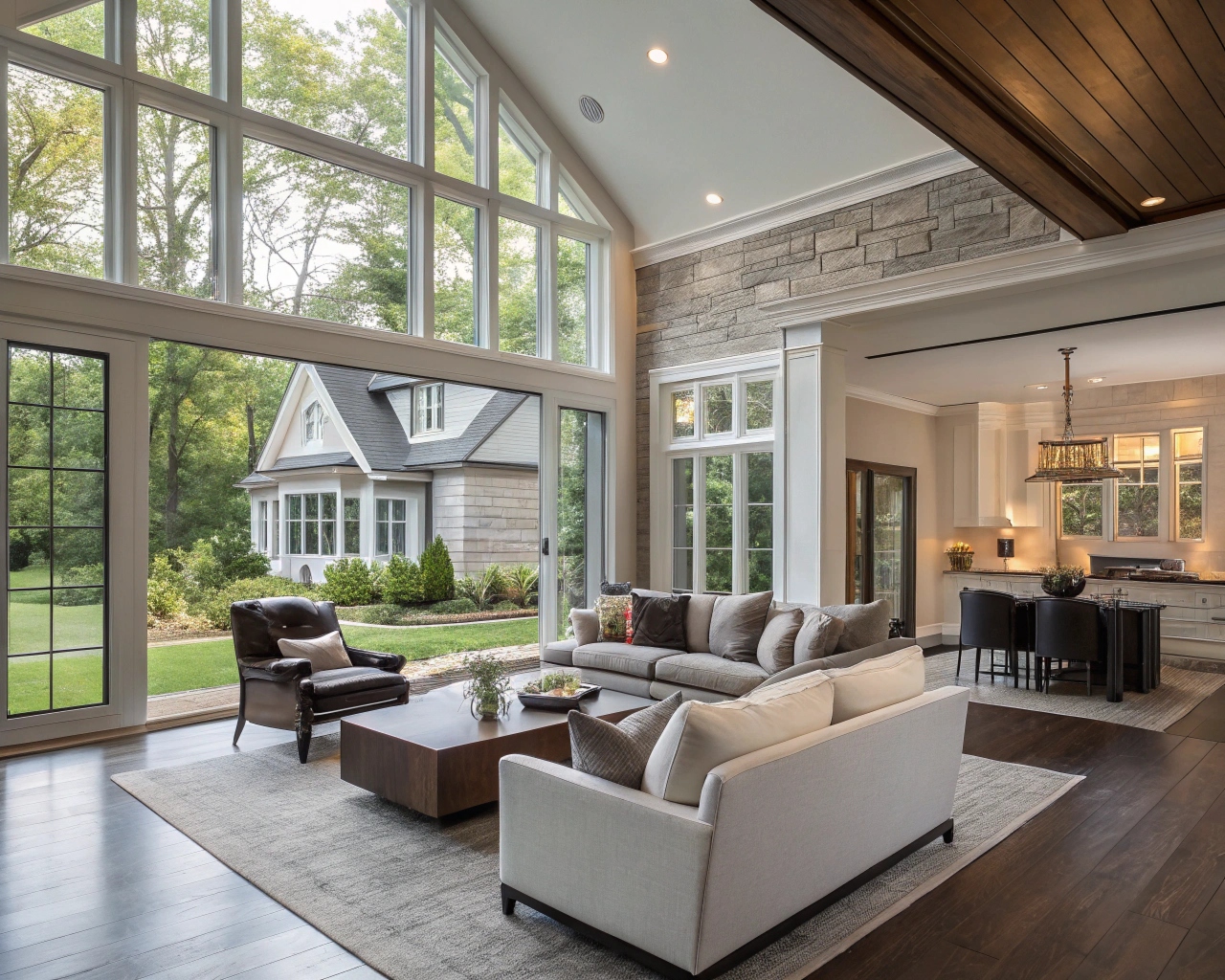
Transitional design marries the warmth of traditional architecture with the clean lines of modern style. It emphasizes balance, incorporating classic elements like symmetrical facades and detailed moldings alongside minimalist features such as open floor plans and neutral color palettes. This approach results in spaces that feel both timeless and current.
Key Features of Transitional Homes
- Open Floor Plans: These layouts promote fluid movement between spaces, fostering a sense of openness and connectivity.
- Neutral Color Schemes: Shades like taupe, gray, and soft whites create a calming backdrop that complements various decor styles.
- Mixed Materials: Combining natural elements like wood and stone with modern materials such as metal and glass adds depth and interest.
- Minimal Ornamentation: Simplified detailing keeps the design uncluttered and adaptable to changing trends.
Benefits of Transitional Design
Adopting a transitional design offers several advantages:
- Timeless Appeal: The balanced blend of styles ensures the home remains stylish over time.
- Flexibility: Neutral foundations allow homeowners to easily update furnishings and decor without major renovations.
- Enhanced Resale Value: Broad appeal makes transitional homes attractive to a wide range of potential buyers.
Implementing Transitional Design in Your Home
To incorporate transitional elements into your living space:
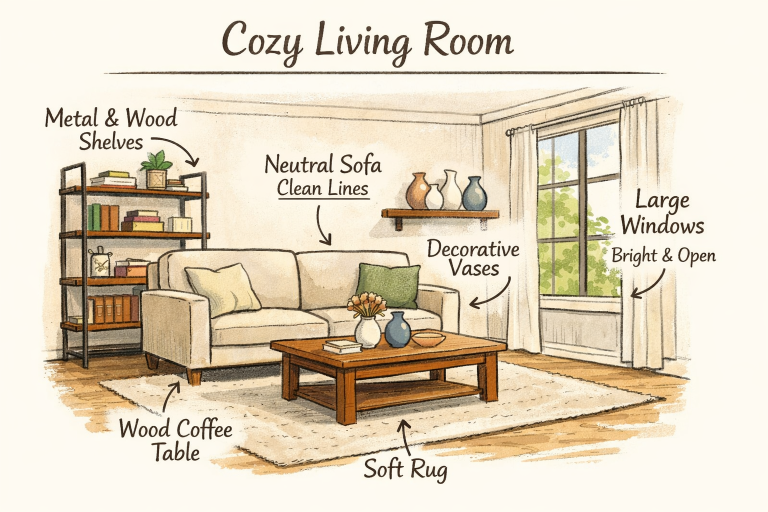
- Choose Neutral Colors: Opt for soft, muted tones for walls and large furniture pieces.
- Mix Textures: Pair smooth surfaces with textured fabrics and materials to add visual interest.
- Blend Furniture Styles: Combine classic pieces with modern accents to achieve a cohesive look.
- Focus on Quality: Invest in well-crafted items that will stand the test of time.
Expanding Transitional Elements: Room-by-Room Approach
Transitioning every room within your home is not only possible but also highly beneficial for creating a consistent, harmonious atmosphere. For instance, living rooms can utilize plush, comfortable seating with streamlined silhouettes, blending classic sofas with modern coffee tables. Dining areas are often brought to life with traditional wooden tables paired with contemporary chairs or pendant lighting in metallic finishes. In kitchens, transitional design might mean shaker-style cabinetry with minimalist hardware, quartz countertops, and subtle marble accents. Bathrooms can follow suit, with timeless vanities, frameless glass shower enclosures, and a mix of matte and glossy tile finishes. The careful mix ensures that each space feels inviting, current, and practical for daily use.
The Role of Lighting in Transitional Design
Lighting is an often-overlooked but crucial element in transitional homes. Layered illumination, such as recessed lighting combined with statement fixtures like chandeliers or sleek pendants, can balance utility and ambiance. Fixtures often feature mixed materials—such as brushed nickel with blown glass—to further drive home the theme of contrast and texture. Dimmers allow homeowners to adjust the mood throughout the day, while strategically placed sconces highlight architectural elements or favorite artwork. Proper lighting choices can enhance the architectural details, emphasize the open floor plans, and contribute to the spaciousness appreciated in transitional homes.
Outdoor Transitional Living Spaces
Transitional principles aren’t limited to interior design; they’re increasingly found outdoors as well. Patios and garden spaces are being furnished with a mix of natural stone flooring, sleek metal furnishings, cozy outdoor sofas, and weather-resistant rugs. Fire pits with minimalist stone surrounds sit next to traditional pergolas, while landscaping features both manicured hedges and organic wildflower beds. These choices allow for indoor-outdoor living that feels cohesive, stylish, and perfect for entertaining or relaxing.
Personalizing Your Transitional Space
The beauty of transitional design is its inherent flexibility, allowing homeowners to express their personalities within a sophisticated, structured framework. Artwork becomes an especially significant vehicle for expression—vintage oil paintings can hang beside abstract modern prints, framed in cohesive, neutral tones. Accessories, such as pillows or vases, can be swapped seasonally to freshen up the look. This style supports layering rugs atop hardwood floors, throws across streamlined sofas, or vintage trays on glass coffee tables. By constantly evolving with the homeowner’s lifestyle and tastes, transitional homes stay fresh and relevant.
Real-Life Example: Award-Winning Transitional Home
In Olmos Park, an award-winning home exemplifies transitional design by blending seamlessly with its traditional neighborhood while incorporating modern elements. The residence features a spiral staircase that serves as a sculptural centerpiece, demonstrating how transitional architecture can create unique and functional living spaces.
Expert Insights on Transitional Design
According to Architectural Digest, transitional design is “the palate cleanser of all design styles,” offering a timeless, chic aesthetic that combines the best of classic and contemporary interiors. This approach allows for personalization and adaptability, making it a popular choice among homeowners.
A Look at Market Trends and Buyer Preferences
Current real estate trends show that buyers increasingly seek homes with transitional elements, particularly in luxury markets such as Beverly Hills, New York, and Miami. Listings featuring transitional designs often sell faster and at higher price points due to their broad appeal. Realtors and stagers report that neutral color schemes with high-quality finishes help homes stand out online and create memorable first impressions during showings. As lifestyles become more flexible, blending remote work, leisure, and entertaining- the need for adaptable, timeless spaces continues to grow.
Final Thoughts
Transitional home designs offer a harmonious blend of traditional and modern elements, creating spaces that are both functional and aesthetically pleasing. By embracing this style, homeowners can enjoy a timeless environment that adapts to their evolving lifestyles. Whether transitioning a single room or an entire property, the result is a versatile, enduring space that truly feels like home.