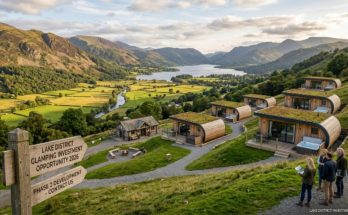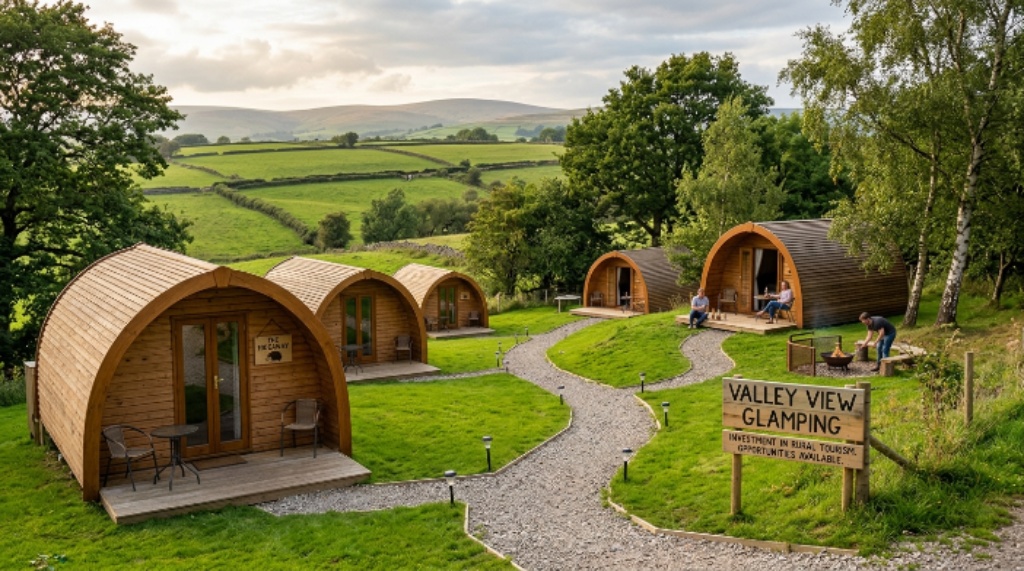
Something has quietly shifted in how British people think about land. For decades, owning a field felt like a farmer’s concern. Today, it is increasingly the ambition of urban professionals, early retirees, and side-hustle seekers who want to turn green space into genuine income. Glamping and outdoor hospitality have unlocked a new kind of land investment, one that does not require a property portfolio or a background in agriculture.
This article explains why more Brits are buying or leasing rural land, what the returns look like, what the challenges are, and how to decide whether this path is right for you.
The Staycation Effect Is Still Running Strong
The shift toward UK-based holidays did not end when overseas travel reopened. British holidaymakers discovered they enjoy their own countryside, and that preference has stayed. Demand for short rural breaks remains high across England, Scotland, and Wales. People want fresh air, privacy, and an experience that feels different from a hotel, but more comfortable than a traditional tent.
This demand has made glamping one of the most resilient corners of the UK tourism market. Standard tent pitches charge around £25 to £40 per night. A well-equipped glamping unit in a good location can command £80 to £250 per night—a value jump that even top accounting firms USA note as a prime return-on-investment model for rural real estate. That gap between the two is where landowners are finding their opportunity.
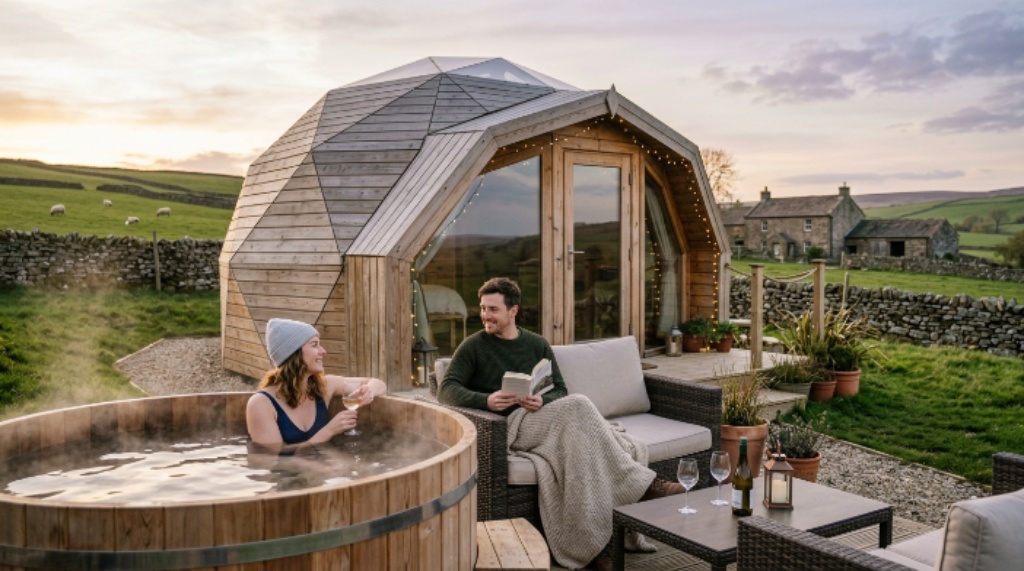
Additionally, couples continue to drive the market. They prioritise privacy, aesthetics, and experiences they can share. Features like private hot tubs, outdoor baths, and panoramic windows justify premium nightly rates and produce repeat bookings when the experience is strong.
What Investing in Camping Land Actually Means
Investing in camping land does not always mean buying acres outright. It takes several forms depending on budget, ambition, and existing assets.
- Landowners converting unused fields or woodland into glamping sites
- Urban buyers purchasing rural plots specifically to develop for tourism
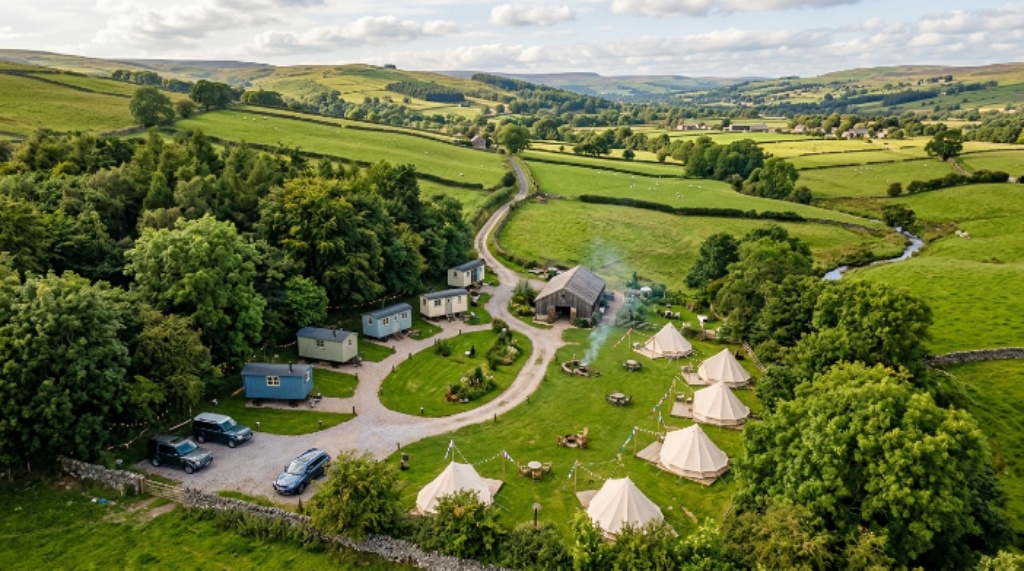
- Farmers and smallholders diversifying income by adding a few pods or shepherd huts
- Investors leasing land from others and taking responsibility for development and operation
Rural land prices in the UK vary considerably. They range from around £5,000 per acre in some parts of Scotland and Wales to £50,000 or more per acre in popular English tourist areas. For those who do not want to buy, leasing land costs between £1,000 and £10,000 or more per year depending on size and location.
The relatively low entry cost compared to residential property investment is one of the most attractive features of this route. A single entry-level glamping pod costs from around £10,000, while a luxury shepherd hut or fully appointed cabin sits between £30,000 and £40,000. Those figures are substantially lower than a buy-to-let deposit in most parts of the UK.
What the Numbers Look Like
Real-world financial performance varies widely, but published data from 2026 gives a useful picture of what operators are achieving.
| Scenario | Nightly Rate | Occupancy | Annual Revenue per Pod |
| Budget pod, quiet location | £70–£100 | 40% | £10,000–£14,000 |
| Mid-range pod, good location | £100–£150 | 55–65% | £18,000–£27,000 |
| Luxury pod, premium location | £150–£250 | 60–80% | £27,000–£40,000+ |
A £35,000 luxury pod at an average daily rate of £160 and 60 to 65 percent occupancy typically achieves full payback within 25 to 30 months under normal market conditions. Optimised sites in high-demand areas with strong wellness offerings have reported payback periods as short as 12 to 18 months.
High-performing sites that combine multiple units, premium amenities, and strong experiential branding can achieve net profits of between £37,500 and £132,000 annually, with margins reaching up to 22 percent.
Occupancy rates for successful UK sites typically sit between 60 and 70 percent annually, compared to a national average of 40 to 50 percent. Peak season months of June through August often see occupancy exceed 80 percent, while winter requires careful cost management to stay profitable.
The Planning Permission Reality
This is where ambition meets bureaucracy, and it deserves honest treatment. Planning permission is one of the most significant challenges any new operator faces, and councils across the UK have become stricter in recent years.
Sites operating for more than 28 days per year almost always require full planning permission. The 28-day exemption exists, but it comes with real restrictions. You cannot lay concrete bases, install permanent drainage, or connect permanent utilities under it. That limits the quality of accommodation you can offer and cuts potential income considerably.
For a full planning application, operators typically need to commission feasibility studies, ecological surveys, highway access reports, and drainage assessments. One recent operator in England spent approximately £14,000 on planning-related costs before receiving approval. The process can take months and is not guaranteed to succeed.
However, the planning process is navigable. A clean site plan, a well-prepared operations document, and a pre-application conversation with the local planning authority can significantly improve your chances. Starting small, with two or three units and a clear focus on low impact, gives councils less to object to and gives you a working operation to build from.
Wales is also introducing a visitor accommodation registration scheme opening in autumn 2026, which includes glamping and camping categories. Operators in Wales should factor this into their timeline and compliance planning.
What Makes a Site Succeed
Location is the single most important factor, and experienced operators are consistent on this point. A stunning view, proximity to a national park or coastal area, and genuine seclusion all allow operators to charge premium rates and maintain high occupancy. Sites in popular tourist regions of England outperform comparable sites in less-visited areas simply because the demand is already there.
Beyond location, the quality of the guest experience determines whether a site builds a loyal following or stays mediocre. Reviews drive bookings on platforms like Airbnb and Pitchup. Therefore, attention to detail in fit-out, cleanliness, and communication matters enormously from day one.
Additional revenue streams also help. Firewood sales, hot tub hire, activity bookings, and partnerships with local food producers all add to total income without major additional cost. Some sites have also found success with dog-friendly offerings, since research shows that roughly 40 percent of UK holidaymakers look for pet-friendly accommodation when choosing a destination.
Eco-friendly upgrades are increasingly attractive to guests and to councils. Solar panels, composting toilets, and locally sourced materials support premium pricing, reduce running costs over time, and make planning applications more persuasive. Sites that can demonstrate a light footprint tend to face less resistance from local authorities.
Key Costs to Budget For
Before committing, every prospective investor should build a realistic cost model. Here is a summary of the main areas to account for.
| Cost Category | Typical Range |
| Land purchase per acre | £5,000–£50,000+ |
| Annual land lease | £1,000–£10,000+ |
| Entry-level glamping pod | From £10,000 |
| Luxury pod or shepherd hut | £30,000–£40,000+ |
| Planning application and studies | £5,000–£20,000+ |
| Site preparation and landscaping | £5,000–£30,000+ |
| Utility connections | £2,000–£15,000+ |
| Marketing and photography | £1,000–£5,000+ |
These figures are estimates. Actual costs vary significantly based on land type, location, council requirements, and the scale of development. Always get multiple quotes and build in a contingency of at least 20 percent on top of your planned budget.
Is This the Right Investment for You?
Investing in camping land suits a specific kind of investor. It is not passive in the way that owning shares or bonds can be. Running a successful outdoor hospitality site requires time, energy, customer service skills, and ongoing attention to marketing and maintenance.
However, for those who enjoy the countryside, want an alternative to residential property investment, and are willing to put in the work at the start, this route can produce strong returns and a genuinely enjoyable lifestyle alongside them. The lower entry costs compared to property make it accessible to investors who might not qualify for a buy-to-let mortgage in today’s market.
Additionally, the asset itself has value. Well-permitted, income-producing land with established planning consent tends to be more valuable than bare agricultural land. Therefore, a successful site is not just an income stream; it is also an appreciating asset.
Conclusion
More Brits are investing in camping land because the numbers make sense, the demand is real, and the entry costs are lower than most forms of property investment. Nightly rates for glamping accommodation range from £70 to £250 depending on quality and location, with average occupancy across successful sites sitting between 60 and 70 percent annually. A single luxury pod can pay back its full cost within two to three years in the right location. Planning permission remains the biggest practical hurdle, requiring careful preparation, realistic budgeting, and patience. Location, guest experience, and eco-credentials are the three factors that separate high-performing sites from those that struggle. For investors willing to put in the groundwork, converting rural land into a glamping destination offers a combination of income, asset growth, and personal satisfaction that is hard to find elsewhere in the current investment landscape.
Frequently Asked Questions
Do I need planning permission to run a glamping site in the UK?
In almost all cases, yes. UK law allows a site to operate without planning permission for a maximum of 28 days per year, but this exemption comes with restrictions on permanent infrastructure. Any site intending to trade commercially beyond 28 days will need full planning permission and, where applicable, change-of-use approval. Councils in 2026 are enforcing this more strictly than in previous years, and retrospective applications carry a lower chance of success.
How much land do I need to start a glamping business?
A small glamping site with two to four pods can work on as little as one to two acres, provided the land has good access, reasonable privacy between units, and space for parking and utility connections. More land gives you more flexibility in spacing, landscaping, and future expansion, but a compact, well-designed site can outperform a poorly managed large one.
What is a realistic return on investment for a glamping pod in the UK?
Based on 2026 benchmarks, a luxury pod costing around £35,000 at an average nightly rate of £160 and 60 to 65 percent occupancy achieves payback in around 25 to 30 months. Entry-level pods in quieter locations take longer. Sites in premium locations with strong branding and high occupancy have reported payback periods of 12 to 18 months.
What are the biggest risks of investing in camping land?
The main risks are planning refusal, higher-than-expected build costs, lower-than-expected occupancy, and seasonal cash flow pressure. Over-optimism about occupancy rates is the most common financial mistake new operators make. Building a business case around conservative occupancy figures of 40 to 50 percent protects against this. A thorough feasibility study before committing any significant capital is strongly recommended.
Can I invest in camping land if I already live in a city and cannot manage the site myself?
Yes, though it adds complexity. Some investors hire site managers or hand management to a specialist operator in exchange for a share of revenue. Others lease their developed site to an operator under a fixed rent arrangement. Both approaches work but reduce your net return. Remote investment works best when the site is fully operational with strong systems in place before you step back from day-to-day involvement.