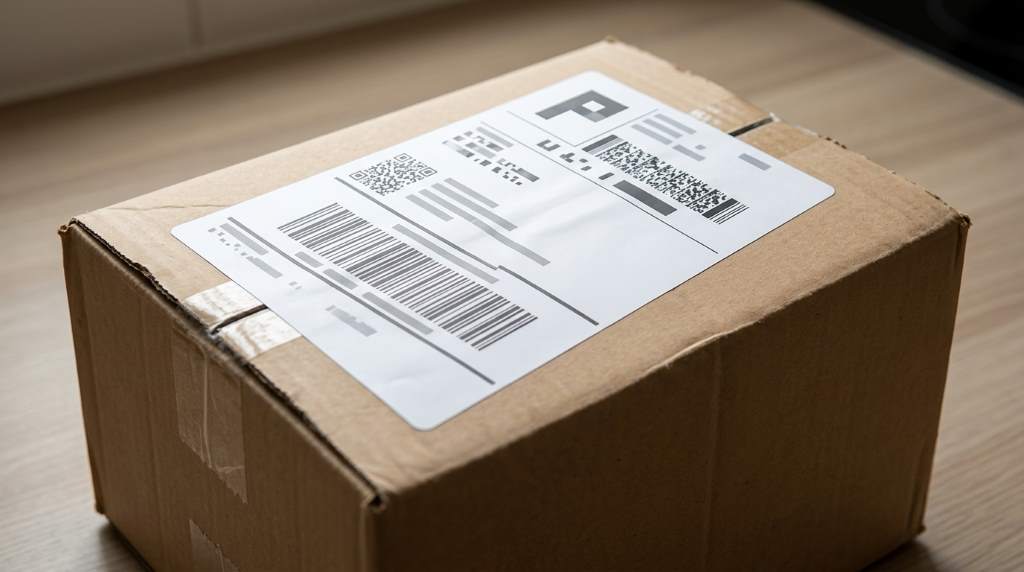
Shipping labels often contain names, addresses, tracking numbers, and other personal details that deserve careful handling. Millions of packages move through delivery networks every day, while paper products still make up a large share of municipal recycling streams. Therefore, protecting personal information starts with proper label disposal. This shipping label disposal guide explains practical methods that help keep sensitive information safe while supporting responsible waste practices.
Why Proper Shipping Label Disposal Matters
Throwing labels directly into household rubbish can expose personal information to strangers. Consequently, taking a few extra minutes helps reduce identity theft risks and protects your privacy.
Businesses also benefit from secure document handling because customer trust depends on responsible information management. Many companies also strengthen workplace protection through biometric attendance systems alongside better document disposal habits.
Dallas residents receive countless deliveries from online retailers every week. Therefore, learning safe disposal methods creates better daily security without adding much effort.
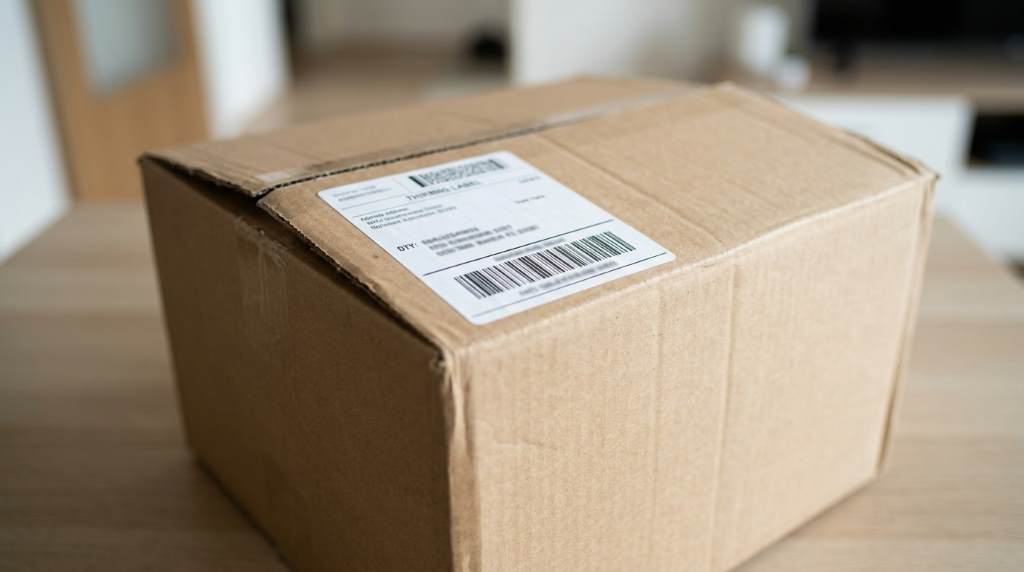
What Information Shipping Labels Contain
Most shipping labels display far more than a delivery address. They may include phone numbers, barcodes, order references, return addresses, and tracking details.
Although this information seems harmless alone, criminals sometimes combine small pieces from different sources. As a result, proper disposal becomes an important part of protecting personal data.
Common Sensitive Details
- Full name
- Home address
- Business address
- Tracking number
- Order identification
- Postal barcode
- Return information
Best Ways to Dispose of Shipping Labels
Different materials require different disposal methods for maximum protection. Fortunately, several simple options work well for homes and businesses.
Shred the Label
Shredding remains one of the safest disposal methods available. Small paper pieces make personal information much harder to recover.
Many workplaces already invest in secure document destruction because confidential papers require reliable handling. Businesses can also learn about selecting an office paper shredder for everyday security needs.
Remove the Label Completely
Peel the label away before recycling cardboard whenever possible. This method separates recyclable materials and removes sensitive information from the package.
If adhesive remains behind, scrape away leftover paper before placing the box into recycling. Afterwards, shred or destroy the removed label before disposal.
Use a Privacy Roller
A privacy roller covers printed information with thick ink before disposal. Although convenient, shredding still provides stronger protection for highly sensitive labels.
Tear Into Small Pieces
If a shredder is unavailable, tear the label into many tiny pieces. Next, place portions into different rubbish bags instead of one container.
How to Recycle Shipping Boxes Safely
Cardboard boxes remain highly recyclable after labels and tape receive proper attention. Therefore, preparing packaging correctly helps recycling facilities process materials efficiently.
Many shipping cartons include plastic tape and adhesive materials that require removal first. Likewise, flattening boxes saves valuable recycling space and improves collection efficiency.
People purchasing office supplies also value quality products that last longer before replacement. Choosing durable items, including leather shoes, often supports more sustainable buying habits.
Handling Thermal Shipping Labels
Many delivery companies print labels using thermal paper instead of traditional ink. These labels sometimes contain coatings that recycling programmes may not accept.
Check local recycling guidance before placing thermal labels into paper recycling bins. Otherwise, remove them before recycling cardboard packaging.
Disposing of Labels at Home
Home users usually generate shipping labels from online shopping, returns, and parcel deliveries. Building a simple disposal routine makes privacy protection effortless.
- Remove labels immediately.
- Store them in a shredding container.
- Shred them regularly.
- Recycle clean cardboard separately.
- Destroy labels before placing waste outside.
Best Practices for Businesses
Businesses handle larger volumes of shipping documents every day. Consequently, secure disposal policies help protect customer information and company records.
Assign clear responsibilities for document destruction throughout the workplace. Regular staff training also reduces mistakes and improves compliance with internal security procedures.
Create a Disposal Policy
- Identify confidential materials.
- Use secure shredding equipment.
- Schedule routine disposal.
- Restrict document access.
- Review procedures regularly.
Common Mistakes to Avoid
Many people unknowingly expose personal information through careless disposal habits. Fortunately, avoiding several common mistakes greatly improves security.
- Throwing intact labels into rubbish.
- Recycling boxes without removing labels.
- Leaving parcels outside before destroying labels.
- Ignoring return address information.
- Using weak tearing methods for confidential labels.
When Professional Shredding Services Make Sense
Large organisations often accumulate thousands of shipping labels every month. Professional shredding companies provide secure destruction for high document volumes.
These services frequently issue destruction certificates after processing confidential materials. Therefore, businesses gain additional confidence while maintaining organised disposal records.
Environmental Benefits of Responsible Disposal
Responsible disposal protects both personal information and recyclable resources. Separating labels from cardboard also improves recycling quality across collection systems.
Small daily actions create meaningful environmental improvements over time. Moreover, reducing contamination helps recycling facilities recover more valuable paper products.
Final Thoughts
Safe shipping label disposal requires only a few simple habits that quickly become routine. Shredding sensitive information, recycling cardboard properly, and protecting personal details all contribute to stronger everyday security.
Start reviewing every package before disposal and make secure label destruction part of your regular household or workplace routine. Consistent action today helps protect your privacy tomorrow.
Frequently Asked Questions
Should I remove shipping labels before recycling boxes?
Yes, removing labels protects personal information and improves recycling quality.
Can I recycle thermal shipping labels?
Some recycling programmes reject thermal labels, so check local guidance first.
Is tearing labels enough for security?
Tearing helps, but shredding provides much stronger protection.
Do shipping labels contain sensitive information?
Yes, many labels include names, addresses, tracking numbers, and order details.
What is the safest way to destroy shipping labels?
Cross cut shredding remains one of the safest disposal methods available.