Key Takeaways
- Window tint, paint protection film, ceramic coating, and detailing address different forms of wear.
- Palm Harbor sun, rain, debris, and outdoor parking can affect both cabin materials and exterior paint.
- Film performance matters more than darkness alone when choosing window tint.
- Paint protection film is intended for impact-prone areas, while ceramic coating promotes easier cleaning and gloss retention.
- A simple maintenance routine protects the value and appearance of every type of vehicle.
Palm Harbor drivers deal with strong Gulf Coast sunshine, sudden rain, salt-tinged air, road grit, and long stretches of warm-weather driving. A smart protection plan starts by matching each service to a real need, whether that means cooler cabin temperatures, cleaner paint, fewer rock chips, or easier weekly upkeep. For many local owners, ceramic coating for cars in Palm Harbor, FL, is part of a broader strategy rather than a one-size-fits-all solution.
The right combination depends on where the vehicle spends its time. A daily commuter parked outside near US 19 has different challenges than a garage-kept weekend vehicle, while a family SUV heading to beaches, parks, and school activities may need more interior-focused care. Thinking in terms of driving habits, parking conditions, and maintenance time helps prevent paying for protection that does not fit the vehicle.
Why a Car Protection Plan Helps
Vehicle care works best as a plan, not as a random list of upgrades. In Palm Harbor, ultraviolet exposure can fade upholstery and trim over time; afternoon storms can leave water spots and road film; and construction traffic or highway travel can expose paint to small stones. Start by deciding what matters most: comfort, appearance, physical paint protection, resale condition, or less time spent washing.
A newer vehicle with clean paint may be a strong candidate for upfront protection on vulnerable areas. An older vehicle may first need paint correction, stain removal, or an interior reset before protective products can perform as intended. The practical goal is not to make a vehicle invincible. It is to reduce routine wear in the areas that matter most to its owner.
Drivers searching for automotive ceramic coating near me should first consider how often the vehicle is washed, whether it lives outdoors, and how much highway mileage it sees. Those answers often reveal whether a coating, paint film, tint, detailing, or a combination will provide the best return.
What Window Tint Can and Cannot Do
Quality window tint can improve comfort by reducing glare and managing solar heat during bright Palm Harbor afternoons. It can also add privacy and help limit ultraviolet exposure inside the cabin. Clear automotive window film offers significant UV protection, which is useful for drivers who spend substantial time behind the wheel.
However, tint does not replace air-conditioning maintenance, a windshield sunshade, safe parking choices, or regular cleaning. It also cannot protect a front bumper from gravel or prevent every dashboard issue caused by heat. When comparing films, look beyond visible darkness and ask about visible light transmission, UV rejection, heat rejection, glare reduction, color stability, optical clarity, warranty coverage, and compatibility with vehicle signals or electronics.
Choosing Film for Your Driving Routine
- Daily commuter: Prioritize heat reduction, glare control, and a legally visible-light level.
- Family vehicle: Consider rear-seat comfort, easy cleaning, and clear visibility at night.
- Electric vehicle: Ask about large glass roofs and compatibility with connected systems.
- Luxury vehicle: Focus on clean edges, optical clarity, and color-stable film.
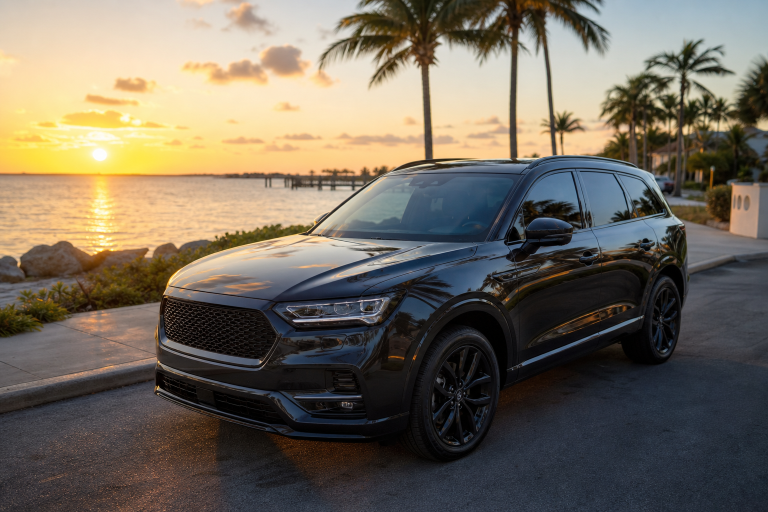
Florida Window Tint Considerations
Florida tint requirements apply to the final combination of factory glass and installed film, not simply the number printed on the film box. Front-side windows, rear-side windows, rear glass, and the windshield can be treated differently. Before scheduling installation, review the current Florida restrictions on sunscreening material for side windows and confirm that the selected film is suitable for the specific vehicle.
Visible light transmission refers to the amount of visible light that passes through the glass. A lower percentage is darker, but darker does not automatically mean better heat performance. Ask for documentation, discuss compliance labels, and remember that nighttime visibility should remain part of the decision.
When Paint Protection Film Makes Sense
Paint protection film, often called PPF, is designed to help reduce damage from common road impacts. It is especially useful for Palm Harbor vehicles that travel frequently on US 19, alternate between local roads and interstates, or encounter gravel, construction zones, and heavy traffic. High-impact areas often include the front bumper, the leading edge of the hood, the front fenders, the mirrors, the rocker panels, and the area behind the rear wheels.
PPF is not a guarantee against all damage. Severe impacts, deep intentional scratches, collisions, and uncovered areas can still be affected. Still, it serves a different role from waxes and coatings because it provides a physical layer over painted surfaces. Owners of dark-colored vehicles, new cars, and long-term daily drivers often see the clearest benefit.
Where Ceramic Coating Fits
Ceramic coating is a surface treatment that can enhance gloss, help water bead and sheet away, and make routine washing more manageable. In a humid coastal environment, this can make it easier to remove road film, pollen, bug residue, and light contamination before they build up. Proper preparation is essential, since coating should be applied over clean, well-corrected paint whenever possible.
Ceramic Coating Versus Paint Protection Film
- Paint protection film: Best for physical protection in high-impact areas where chips are a concern.
- Ceramic coating: Best for owners who want improved gloss, easier washing, and better surface behavior.
- Wax or sealant: A simpler short-term option for seasonal shine and basic maintenance.
A coating does not stop every scratch, dent, or rock chip. It works especially well alongside thoughtful washing habits, soft towels, clean wash media, and prompt removal of bird droppings or tree sap.
Interior Care for Palm Harbor Heat and Daily Wear
The cabin deserves the same attention as the paint. Heat and direct sunlight can gradually affect dashboards, door panels, leather, vinyl, touchscreens, and soft-touch trim. Use a windshield sunshade when parked outdoors, vacuum up sand and loose debris regularly, clean up spills promptly, and choose products formulated for the material being treated. Harsh household cleaners can damage screens and leave trim looking blotchy or greasy.
The Best Order for a Protection Project
- Inspect paint, glass, trim, and interior surfaces for existing damage.
- Set priorities based on comfort, paint preservation, appearance, and budget.
- Confirm tint requirements before choosing a film shade.
- Clean and correct paint before applying film or coating.
- Install tint, then complete the final interior cleanup.
- Add PPF to the areas most exposed to road debris.
- Apply ceramic coating if easier maintenance and gloss are priorities.
- Create a wash and inspection schedule that fits the vehicle’s real use.
Final Thoughts
A practical Palm Harbor car protection plan focuses on the problems a vehicle actually faces. Tint can improve comfort and UV control, paint protection film can help defend vulnerable panels, ceramic coating can simplify regular care, and interior maintenance keeps the cabin pleasant through Florida heat. Choose each service with a clear purpose, then support it with consistent washing and sensible parking habits.