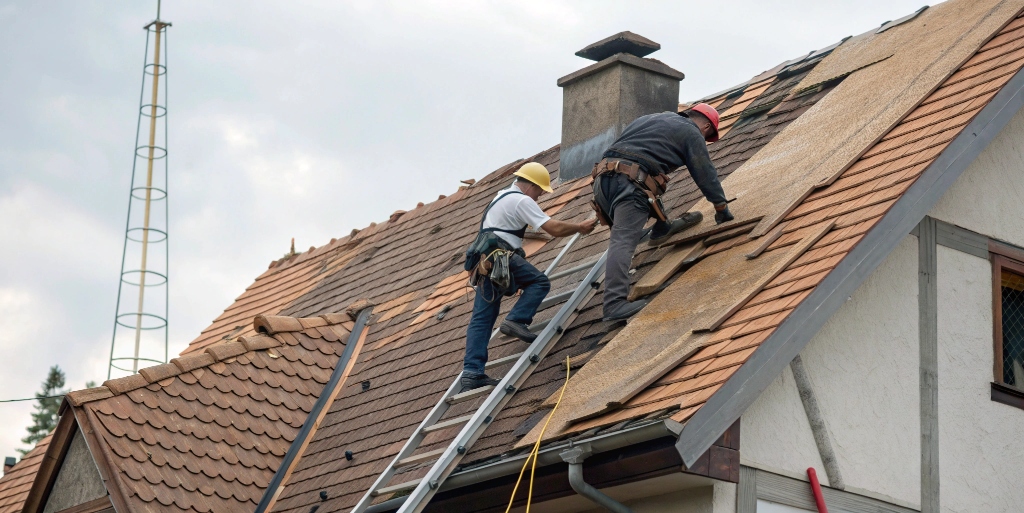
Replacing a roof is a calculated process that blends precision, safety, and craftsmanship. A professional crew doesn’t just swap old shingles for new ones—they follow a structured plan that ensures every layer of the roof performs as intended. Homeowners searching for roof repair near me or preparing for a roof replacement often don’t realize how much coordination happens behind the scenes to deliver a watertight and lasting result.
Project Planning Aligning Material Needs with Roof Design Specifics
A successful roof replacement starts long before the first shingle is lifted. During planning, the roof repair company examines the roof’s design, pitch, and load capacity to match materials that best fit the structure. This includes determining the right underlayment type, fasteners, flashing metal, and even color coordination to maintain curb appeal while ensuring performance.
Each structure requires a tailored approach. For instance, complex rooflines or dormers need additional flashing and material overlap. By aligning every element of material selection with the architectural design, roofers ensure consistency and reduce waste—making the overall roof repair process both cost-efficient and precise.
Site Preparation Ensuring Debris Protection and Safety Compliance
Before the actual work begins, site preparation ensures the surrounding area remains protected. Professional Madison roof repair crews set up tarps, plywood shields, and debris chutes to safeguard landscaping, windows, and siding. They establish clear safety perimeters and confirm that every worker follows OSHA standards throughout the project.
This step might seem simple, yet it shapes how smoothly the entire project runs. Preparation helps prevent damage from falling materials and maintains a clean, organized workspace. Crews with solid preparation habits demonstrate professionalism that’s as important as the installation itself.
Old Material Removal Exposing Underlying Substrate for Evaluation
Stripping away the old roofing material is one of the most labor-intensive parts of a roof replacement. Crews carefully remove shingles or panels and dispose of them safely, revealing the wooden decking underneath. This is the first opportunity to assess the actual condition of the substrate hidden beneath years of wear.
A thorough inspection at this point prevents future leaks and structural issues. Any signs of water damage, mold, or rot are identified before new materials are installed. The process may take longer depending on roof size, but skipping it could lead to hidden weaknesses that undermine even the best materials.
Deck Reinforcement Correcting Rot or Uneven Surface Areas
A solid deck is the foundation of a lasting roof. Once exposed, roofers repair or replace any rotted or uneven decking sections. Using moisture-resistant plywood or oriented strand board (OSB), they create a smooth, even surface ready for underlayment and shingles.
Uneven surfaces compromise alignment and fastening strength, which could shorten a roof’s lifespan. Reinforcing the deck guarantees structural stability and consistent load distribution. This part of the job often distinguishes experienced roof repair near me specialists from general contractors who overlook minor imperfections.
Underlayment Installation Creating Uniform Moisture Protection
The underlayment acts as a secondary barrier against moisture intrusion. Crews roll out synthetic or felt underlayment across the entire deck, sealing overlaps to create a watertight layer beneath the shingles. It also provides added protection against wind-driven rain and ice dams. Modern underlayment materials are engineered for breathability and durability, which means fewer moisture-related problems over time. The precision in how this layer is applied influences how the roof performs during severe weather, a detail skilled roof repair company professionals never overlook.
Shingle or Panel Placement Following Manufacturer Alignment Standards
Installing shingles or panels is the most visible part of the project, but it’s also highly technical. Roofers follow alignment patterns specified by manufacturers to ensure consistent spacing, proper fastening, and optimal drainage flow. These patterns also help maximize the roof’s resistance to wind uplift.
Each material—whether asphalt shingles, metal panels, or composite systems—has unique fastening methods. Applying these correctly guarantees manufacturer warranty validity and extends the life of the roof. Quality workmanship here defines whether a replacement will perform flawlessly for decades or fail prematurely.
Flashing and Seal Integration Preventing Leak-prone Junctions
Flashing is installed around chimneys, skylights, vents, and valleys—areas most prone to leaks. Technicians custom-cut and bend flashing to fit precisely against these junctions, sealing them with high-grade roofing cement or butyl tape. Proper integration ensures these vulnerable points stay watertight even in driving rain.
Sealants are then applied to reinforce critical seams. This dual layer of protection provides peace of mind against water infiltration, which is often the first cause of interior damage after storms. Expert Madison roof repair teams use advanced sealing techniques that outlast traditional tar applications.
Final Quality Check Verifying Drainage Flow and Workmanship Accuracy
Before completion, inspectors perform a full quality check. They verify that ridge caps, ventilation systems, and gutters are installed correctly and that water flows freely off the roof. Drainage testing and visual inspections catch imperfections that could lead to future issues.
The inspection also reviews adherence to local building codes and warranty requirements. This last step ensures the homeowner receives a dependable roof built to modern standards. For property owners seeking trusted craftsmanship, Fleming Roofing delivers projects that combine precision, protection, and professional finish across all stages of roof replacement.