Maintaining a clean car engine is essential for ensuring optimal performance and longevity of your vehicle. A clean engine not only looks good but also helps identify potential issues like leaks or worn parts before they become serious problems. However, cleaning a car engine requires careful preparation and execution to avoid damaging sensitive components. In this comprehensive guide, we’ll walk you through the step-by-step process of safely washing your car engine, offering practical tips to achieve a spotless result without risking harm to your vehicle.
Why Cleaning Your Car Engine Matters
A car engine accumulates dirt, grease, and grime over time, especially if you drive in dusty or muddy conditions. This buildup can affect engine efficiency, cause overheating, and obscure issues that need attention. Regularly cleaning your car engine can improve its performance, enhance its appearance, and even increase your vehicle’s resale value. Moreover, a clean engine bay makes it easier for mechanics to diagnose problems, saving you time and money on repairs. For a detailed guide on the process, check out this resource on cleaning a car engine to ensure you’re following the best practices.
Tools and Materials You’ll Need
Before diving into the cleaning process, gather the necessary tools and materials to ensure a smooth and safe job. Having everything ready beforehand will save you time and prevent interruptions. Here’s what you’ll need:
- Plastic bags and tape: To cover sensitive electrical components.
- Degreaser: A quality automotive degreaser to break down grease and grime.
- Brushes: Soft-bristled brushes for scrubbing delicate areas and stiffer ones for tougher grime.
- Microfiber towels: For wiping down surfaces without scratching.
- Hose or pressure washer: For rinsing (use low pressure to avoid damage).
- Protective gloves and eyewear: To stay safe while handling chemicals.
- Water and bucket: For mixing cleaning solutions or rinsing.
- Leaf blower or compressed air: For drying the engine bay.
With these tools in hand, you’re ready to start the cleaning process safely and efficiently.
Step-by-Step Guide to Cleaning Your Car Engine
Step 1: Prepare Your Vehicle
Before you begin, ensure your engine is cool to the touch. Cleaning a hot engine can cause thermal shock to components and increase the risk of injury. Park your car in a shaded, well-ventilated area to avoid water spots and ensure proper drying. Additionally, disconnect the battery’s negative terminal to prevent electrical issues during the cleaning process.
Step 2: Protect Sensitive Components
Engines have delicate electrical parts, such as the alternator, battery, and wiring, that can be damaged by water or cleaning agents. To safeguard these components, cover them with plastic bags and secure them with tape. Pay special attention to the air intake, fuse box, and any exposed connectors. This step is crucial to avoid costly repairs and ensure a safe cleaning process.
Step 3: Apply Degreaser
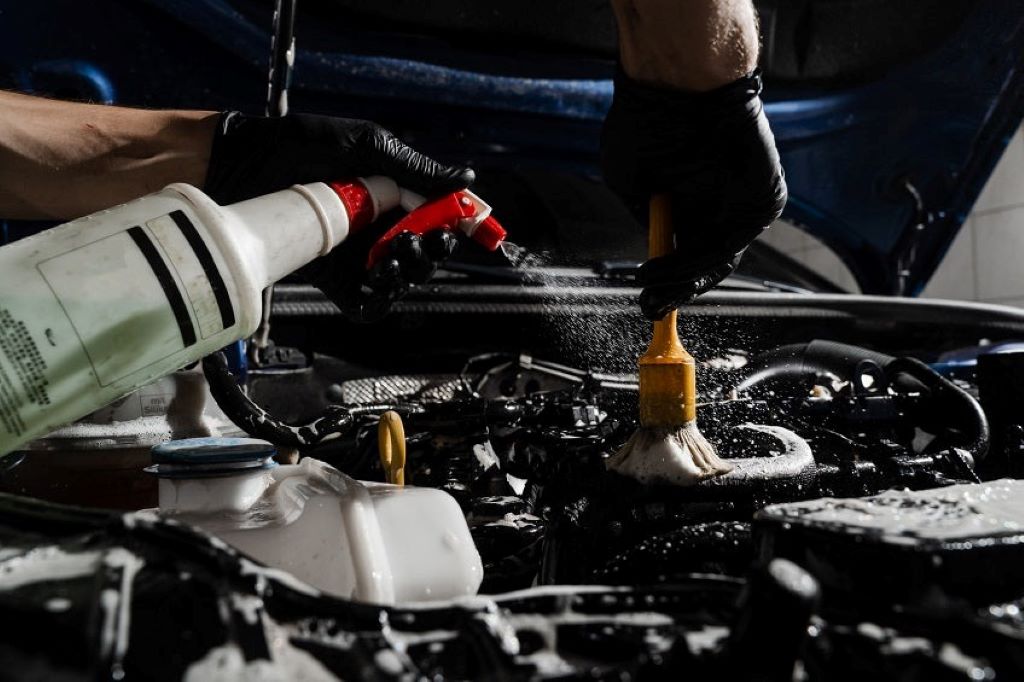
Choose a high-quality automotive degreaser, as it’s specifically formulated to tackle engine grime without harming surfaces. Spray the degreaser evenly across the engine bay, focusing on areas with heavy grease buildup, such as around the oil cap or valve covers. For those looking for trusted cleaning products, brands featured on autonags.com offer reliable options for tackling tough engine grime. Let the degreaser sit for the recommended time (usually 5–10 minutes) to break down the dirt effectively.
Step 4: Brush Away Grime
Using a combination of soft and stiff-bristled brushes, gently scrub the engine bay to loosen dirt and grease. Start with larger surfaces, like the engine block, and work your way to smaller, intricate areas. Be cautious around delicate components to avoid dislodging wires or damaging sensors. If you encounter stubborn spots, apply a bit more degreaser and let it sit before scrubbing again.
Step 5: Rinse the Engine Bay
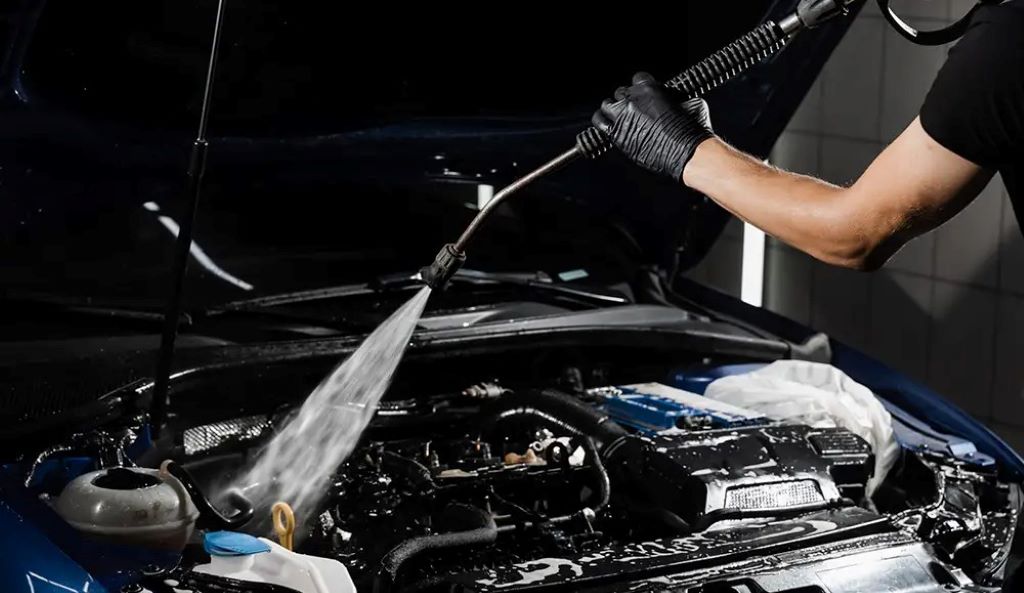
Using a hose or a pressure washer on a low-pressure setting, carefully rinse the engine bay to remove the degreaser and loosened grime. Avoid high-pressure settings, as they can force water into sensitive areas or damage components. Rinse thoroughly but gently, ensuring all cleaning agents are washed away. If you’re unsure about the pressure level, a standard garden hose is often the safest option.
Step 6: Dry the Engine
Drying the engine is just as important as cleaning it to prevent corrosion or electrical issues. Use a leaf blower, compressed air, or microfiber towels to remove excess water. Pay close attention to crevices where water might pool, such as around bolts or seams. Once the engine is mostly dry, remove the plastic coverings from protected components.
Step 7: Reconnect and Inspect
Reconnect the battery and start the engine to ensure everything is functioning correctly. Let it run for a few minutes to help evaporate any remaining moisture. Inspect the engine bay for any missed spots or water pooling, and address them as needed. If you notice any unusual sounds or warning lights, consult a professional mechanic immediately.
Safety Tips for Cleaning Your Car Engine
While cleaning your car engine is straightforward, it requires caution to avoid damage or injury. Here are some key safety tips to keep in mind:
- Work in a well-ventilated area: Fumes from degreasers can be harmful if inhaled.
- Avoid harsh chemicals: Stick to automotive-specific products to prevent damage to engine components.
- Use low-pressure water: High-pressure water can force its way into sensitive areas, causing malfunctions.
- Double-check coverings: Ensure all electrical components are properly protected before rinsing.
- Wear protective gear: Gloves and eyewear shield you from chemicals and debris.
By following these safety measures, you can minimize risks and achieve a clean engine without complications.
Common Mistakes to Avoid
Even with the best intentions, it’s easy to make mistakes when cleaning your car engine. Here are some pitfalls to watch out for:
- Using excessive water pressure: This can damage sensors or force water into electrical systems.
- Skipping protective coverings: Unprotected components are vulnerable to water damage.
- Cleaning a hot engine: This can cause burns or damage to engine parts.
- Using household cleaners: Non-automotive cleaners may corrode or damage engine components.
- Neglecting to dry thoroughly: Leftover moisture can lead to rust or electrical issues.
Avoiding these mistakes will help you maintain your engine’s condition and prevent costly repairs.
How Often Should You Clean Your Car Engine?
The frequency of engine cleaning depends on your driving habits and environment. For most drivers, cleaning the engine once or twice a year is sufficient. However, if you frequently drive on dusty roads, through mud, or in areas with heavy road salt, you may need to clean it more often. Regular maintenance checks can help you determine when your engine needs attention. Additionally, always inspect your engine after long trips or exposure to harsh conditions to keep it in top shape.
FAQs About Cleaning Your Car Engine
-
Can I use a pressure washer to clean my car engine?
Yes, but use a low-pressure setting to avoid damaging sensitive components. A garden hose is often safer for beginners.
-
Is it safe to clean a car engine at home?
Absolutely, as long as you follow proper precautions, such as protecting electrical components and using automotive-safe products.
-
How long does it take to clean a car engine?
The process typically takes 30–60 minutes, depending on the level of dirt and your experience.
-
Can I use dish soap to clean my engine?
Dish soap is not recommended, as it can strip protective coatings and harm engine components. Use an automotive degreaser instead.
-
Should I clean my engine before selling my car?
Yes, a clean engine can enhance your car’s appeal and potentially increase its resale value by showing it’s well-maintained.
Conclusion
Cleaning your car engine is a rewarding task that enhances your vehicle’s performance, appearance, and longevity. By following the steps outlined in this guide—preparing your vehicle, protecting sensitive components, using the right tools, and avoiding common mistakes—you can achieve a clean and safe job. Regular engine cleaning not only keeps your car running smoothly but also makes it easier to spot potential issues early. With the right approach and a bit of care, you can keep your engine looking and performing like new. So, gather your supplies, follow these tips, and enjoy the satisfaction of a spotless engine bay.
Read More: Can Renewable Energy at Home Fuel Your Car?