Key Takeaways
- Atlanta neighborhoods can offer very different lifestyles, even when homes have similar price points.
- Commute patterns, privacy, outdoor access, and future development deserve the same attention as interior finishes.
- A focused shortlist helps buyers avoid spending time in areas that do not support their priorities.
- The true cost of ownership includes maintenance, insurance, taxes, and lifestyle-related expenses.
- The best choice should work for both current routines and longer-term plans.
Buying a luxury home in Atlanta, Georgia, involves more than finding the right architecture, finishes, or square footage. The neighborhood shapes how a property feels every day, from the drive home and level of privacy to access to restaurants, parks, schools, and the places that matter most in your routine.
Buyers who want a knowledgeable local perspective can work with Atlanta GA real estate agent Shanna Smith. Shanna Smith’s website focuses on Atlanta luxury real estate, buyer and seller guidance, and notable properties in Buckhead, Sandy Springs, and nearby communities. That experience is especially valuable when comparing high-value homes where lot position, street activity, property condition, and neighborhood fit can matter as much as the home itself.
Why Location Matters as Much as the Home
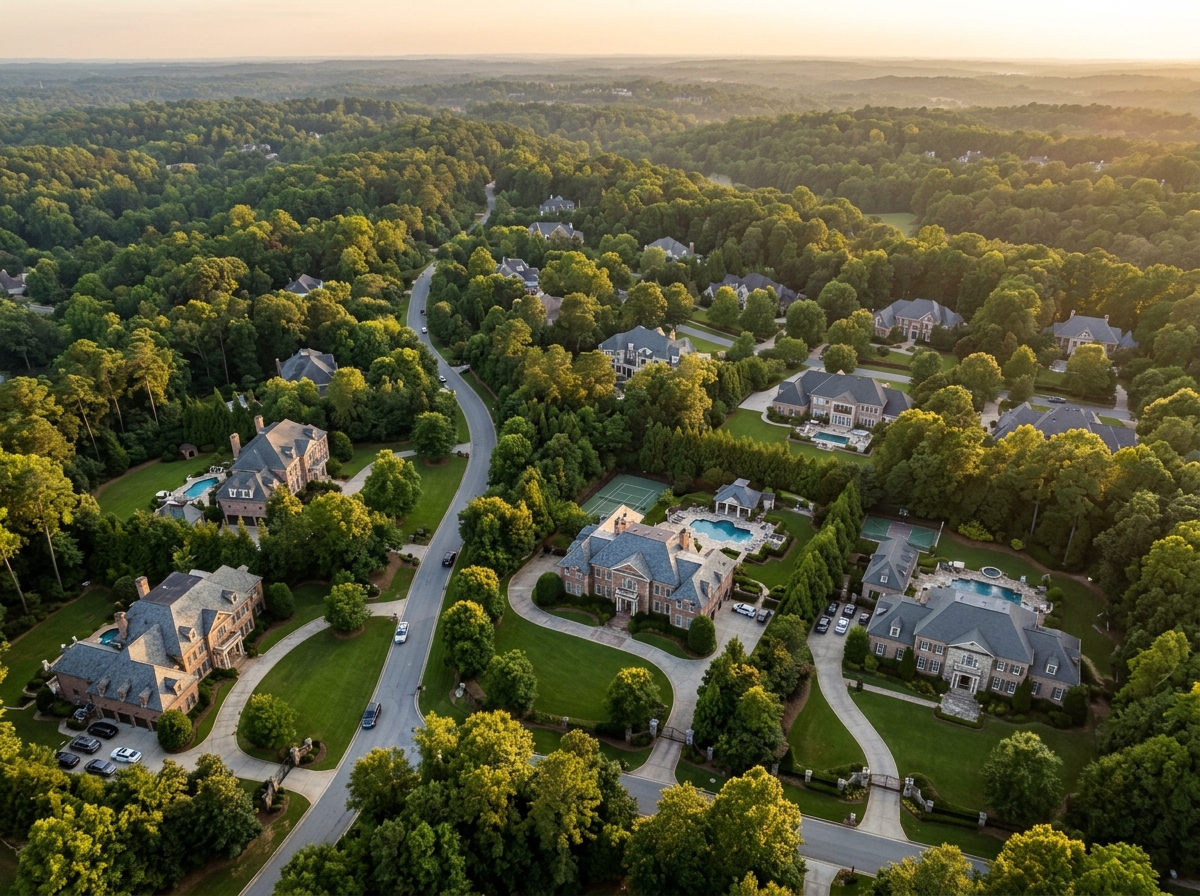
Two Atlanta homes can have comparable asking prices while delivering entirely different experiences. A secluded estate may provide a larger lot, mature landscaping, and distance from street activity. A home closer to a busy retail or cultural district may offer easier access to dining, services, and entertainment. Neither option is automatically better. The right answer depends on how the buyer intends to live.
Look beyond curb appeal. Consider traffic at different hours, nearby commercial activity, sidewalks, noise, views from principal rooms, and how easily guests, household staff, or service providers can reach the property. These details can influence daily comfort and future buyer appeal.
Create a Focused Neighborhood Shortlist
Atlanta is a city of distinct areas, so a search becomes more productive when buyers narrow the field early. The city organizes more than 240 neighborhoods into 25 Neighborhood Planning Units, which can be useful when researching local planning discussions and land-use activity.
- Identify the preferred property type, such as historic home, new construction, condominium, townhome, or estate.
- Set a purchase range and a separate budget for improvements, furnishings, and ongoing upkeep.
- Mark regular destinations, including work, schools, family, airport travel, and healthcare providers.
- Choose three to five neighborhoods for more detailed visits and comparisons.
Compare Daily Lifestyle Factors
A neighborhood should support real routines, not simply an idealized version of them. Before touring several areas, write down what an ideal weekday, weekend morning, and evening look like. Then score each neighbor according to how well it supports those moments.

Questions to Ask
- Are grocery stores, fitness options, dining, and essential services convenient to access?
- Does the area feel peaceful, active, walkable, private, or social in the way you prefer?
- Is the neighborhood known for historic character, modern construction, larger lots, or a mix of home styles?
- Would nearby events, restaurants, schools, or business districts improve or complicate daily life?
Review Commute and Transportation Options
In metro Atlanta, test important routes during the hours you would actually travel. A map estimate can be useful, but it cannot fully show how a route feels during morning traffic, after-school pickup, a major event, or road construction.
Drive from each neighborhood to the office, airport, school, medical center, and favorite gathering places. Review access to major roads and MARTA when transit is relevant to your household. A home that feels perfect on a quiet Saturday can be less practical if routine travel becomes frustrating.
Study Home Styles and Property Sizes
Housing stock affects both the search process and the ownership experience. One area may have architecturally distinctive older homes that need thoughtful updates. Another may offer more recent construction, contemporary floor plans, and lower near-term renovation needs. Larger lots can create privacy and outdoor flexibility, but they can also require more landscaping, tree care, and maintenance.
Compare layout, natural light, construction quality, outdoor living space, storage, and the relationship between the home and neighboring properties. Square footage matters, but it does not tell the whole story of value or livability.
Check Future Development Plans
Buyers should investigate what may change around a property after closing. New parks, streetscape improvements, retail, and transit investment can improve convenience. Construction, denser development, or roadway changes may also affect traffic, views, noise, and privacy.
The City of Atlanta’s current citywide plans provide a helpful starting point for understanding growth priorities. Pair that research with a review of nearby zoning activity, neighborhood plans, and any visible construction sites near the homes under consideration.
Measure Parks, Trails, and Outdoor Access
Outdoor access can be a meaningful part of luxury living in Atlanta. Visit nearby parks, trails, and public spaces rather than relying on a map pin. Notice whether sidewalks, crossings, shade, trail connections, and parking make the amenity easy to use. Also, visit at more than one time of day to understand activity levels and the overall setting.
For some buyers, a large private yard is the priority. For others, proximity to a walkable park or trail better supports exercise, dog walks, family time, and weekend routines. The goal is to choose amenities that will be used regularly.
Calculate the True Cost of Living
The listing price is only one part of the financial picture. Create a neighborhood-specific cost sheet before making a final decision. Include estimated property taxes, homeowners’ insurance, landscaping, tree maintenance, utilities, security systems, association fees, and upkeep for amenities such as pools, elevators, guesthouses, or smart-home equipment.
Older homes may require a larger reserve for repairs and renovations. Property at different times and rounds may require specialized maintenance. Comparing these costs early can make the decision more realistic and prevent a less visible expense from becoming an unwelcome surprise.
Use a Final Comparison Checklist
Score each finalist neighborhood from one to five in the following categories:
- Daily lifestyle: Does it fit the way you want to spend ordinary weekdays and weekends?
- Commute: Are regular destinations practical to reach?
- Home selection: Does the area consistently offer the property types and lot characteristics you want?
- Privacy and setting: Does the street, lot, and surrounding activity level feel right?
- Outdoor access: Are parks, trails, and green spaces convenient and appealing?
- Future plans: Do likely nearby changes align with your priorities?
- Total cost: Does the full ownership budget remain comfortable?
Conclusion
The right Atlanta neighborhood should support more than a beautiful address. By comparing commute demands, home styles, privacy, outdoor access, development activity, and total ownership costs, buyers can make a more confident choice. A thoughtful neighborhood decision helps ensure that a luxury property feels practical, personal, and rewarding long after move-in day.